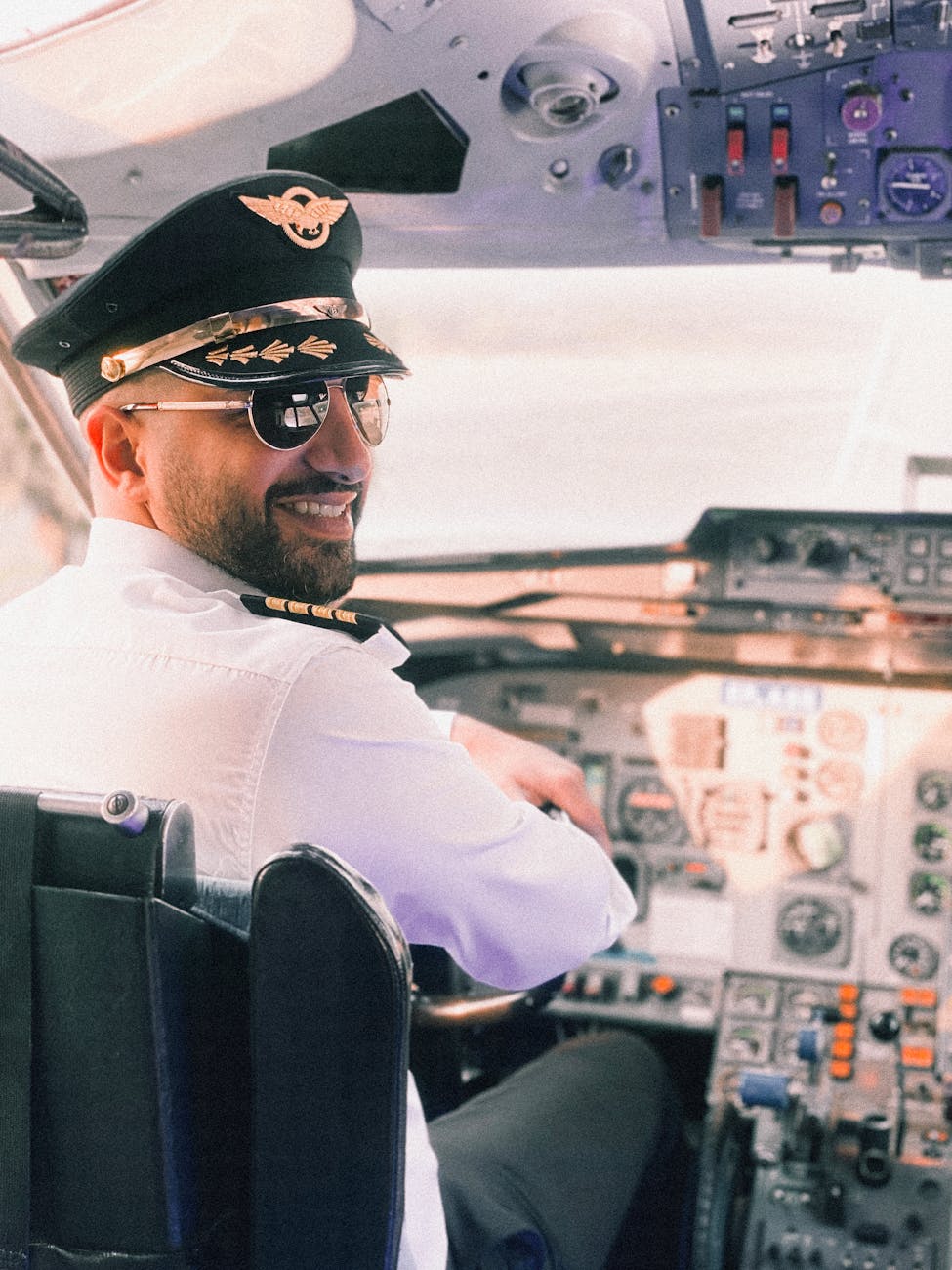
A Step-by-Step Journey Above the Clouds
For many, the idea of becoming an airline pilot is the embodiment of a lifelong dream. The cockpit view, the travel perks, and the thrill of flying a commercial aircraft all sound like a glamorous adventure. But behind every pilot is a long journey of training, discipline, and commitment. Whether you’re a high school student exploring career paths or someone looking to make a bold career switch, here’s what the road to becoming an airline pilot really looks like.
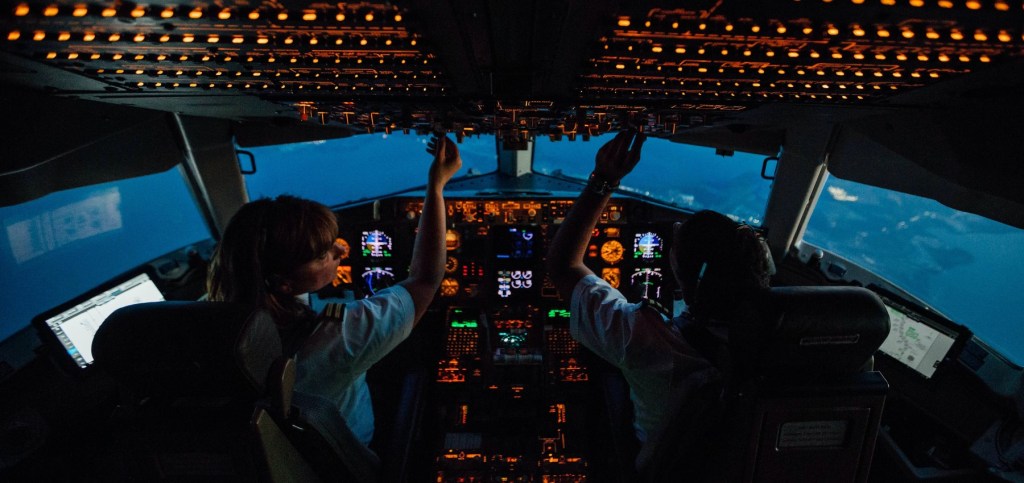
Step 1: Meet the Basic Eligibility Requirements
Before diving into training, it’s essential to meet the basic criteria:
- You may start training as young as you’d like, however you will eventually reach stages at which you will need to meet an age requirement.
- Be at least 16 years old to solo
- Be at least 17 years old to get a Private Pilot License (PPL)
- Be at least 18 years old to get a commercial pilot license (CPL), and 23 for an Airline Transport Pilot (ATP) license.
- Be proficient in English (the international language of aviation)
- Obtain a medical certificate from an FAA-authorized aviation medical examiner

Step 2: Start with Private Pilot Training
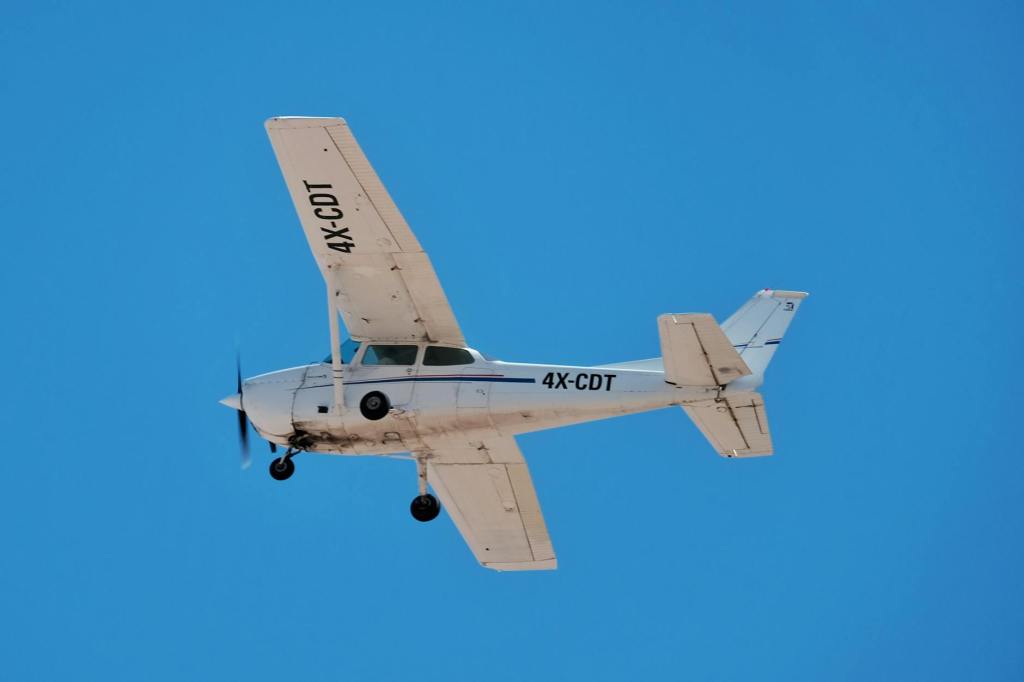
The journey begins with earning your Private Pilot License (PPL). This license allows you to fly for personal, non-commercial reasons and is the foundation of all pilot training.
Here’s what’s involved:
- Ground school (aviation theory, weather, navigation, regulations)
- At least 40 hours of flight training (20 with an instructor, 10 solo)
- Pass a written knowledge test
- Pass a checkride (a flight test with an FAA examiner)
Step 3: Build Time and Advance Your Training
After obtaining a PPL, the next steps are:
- Instrument Rating: Learn to fly in low visibility and rely on cockpit instruments.
- Commercial Pilot License (CPL): Required to get paid for flying. This involves more advanced training and a minimum of 250 flight hours.
- Multi-Engine Rating (optional but often required by airlines)
Step 4: Become a Certified Flight Instructor (Optional but Common)
To build the required flight hours (typically 1,500 for the ATP), many aspiring airline pilots become Certified Flight Instructors (CFI). It’s a cost-effective way to gain experience while getting paid to teach others how to fly.

Step 5: Earn Your Airline Transport Pilot (ATP) Certificate
This is the highest level of pilot certification in the U.S. and is required to act as a captain for a commercial airline. To be eligible, you must:
- Be at least 23 years old
- Have 1,500 flight hours (with specific hour breakdowns)
- Pass the FAA ATP written and practical tests
Step 6: Apply to Regional Airlines
Most pilots begin their airline careers at regional airlines. These carriers often serve as stepping stones to the major airlines. Expect to start as a first officer and gradually work your way up in seniority.
Step 7: Work Toward Major Airline Jobs
After gaining experience and flight hours at a regional airline, many pilots transition to major airlines like Delta, United, or American. Hiring is competitive and often favors pilots with years of incident-free experience.
Bonus: Consider College or Aviation Degree Programs
While not required, a degree can improve your chances of being hired by a major airline, and many universities offer aviation programs that include pilot training and partnerships with regional carriers.
Final Thoughts
Becoming an airline pilot is a serious commitment—financially, emotionally, and physically. But for those with a passion for aviation, the reward is sky-high. With dedication and the right training path, you could go from dreaming at your desk to cruising at 35,000 feet.
✈️ Have questions about flight schools, training costs, or life as a pilot? Drop a comment or reach out—we’re happy to help you chart your course to the skies!




 Aerolim Aviation
Leave a comment