
If you’ve ever dreamed of soaring through the skies as a pilot, you’re not alone. Flight school is the gateway to an exciting and rewarding career in aviation—but it’s no secret that it can also be expensive. Understanding the costs involved can help you make informed decisions and plan your journey more effectively. So, let’s break down what you can expect when it comes to the cost of flight school.
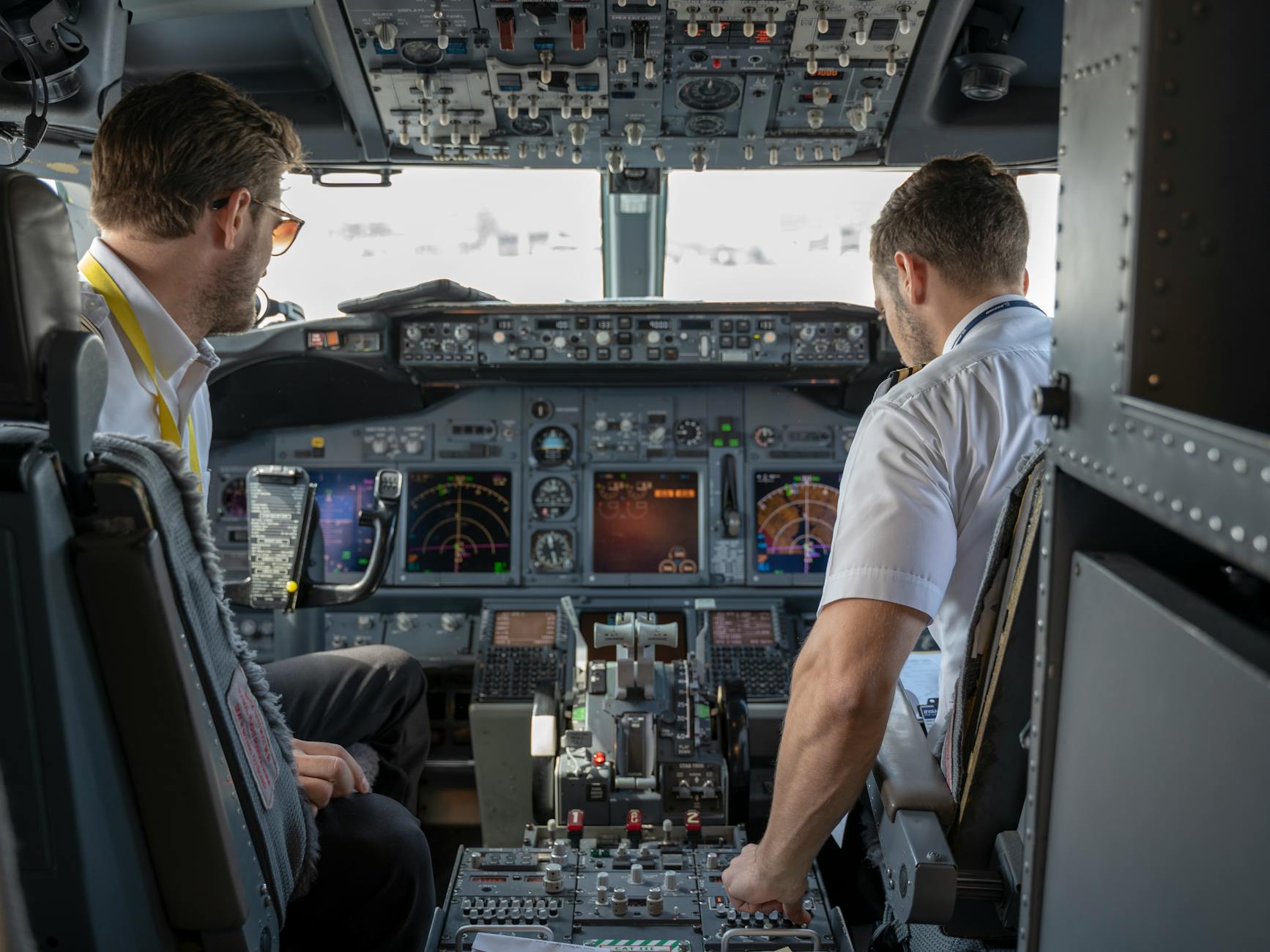
Overview: How Much Does Flight School Cost?
In the U.S., the total cost of becoming a commercial pilot can range from $70,000 to $100,000 or more, depending on several factors. If your goal is to fly for major airlines, you’ll need to go through multiple stages of training and accumulate a significant number of flight hours.
Here’s a rough estimate of the costs involved:
- Private Pilot License (PPL): $8,000 – $15,000
- Instrument Rating (IR): $7,000 – $10,000
- Commercial Pilot License (CPL): $20,000 – $35,000
- Certified Flight Instructor (CFI): $5,000 – $10,000
- Multi-Engine Rating: $2,000 – $5,000
This brings your total cost to somewhere between $50,000 and $75,000, but remember, these numbers can climb quickly depending on the school, aircraft rental fees, fuel prices, and how efficiently you progress.
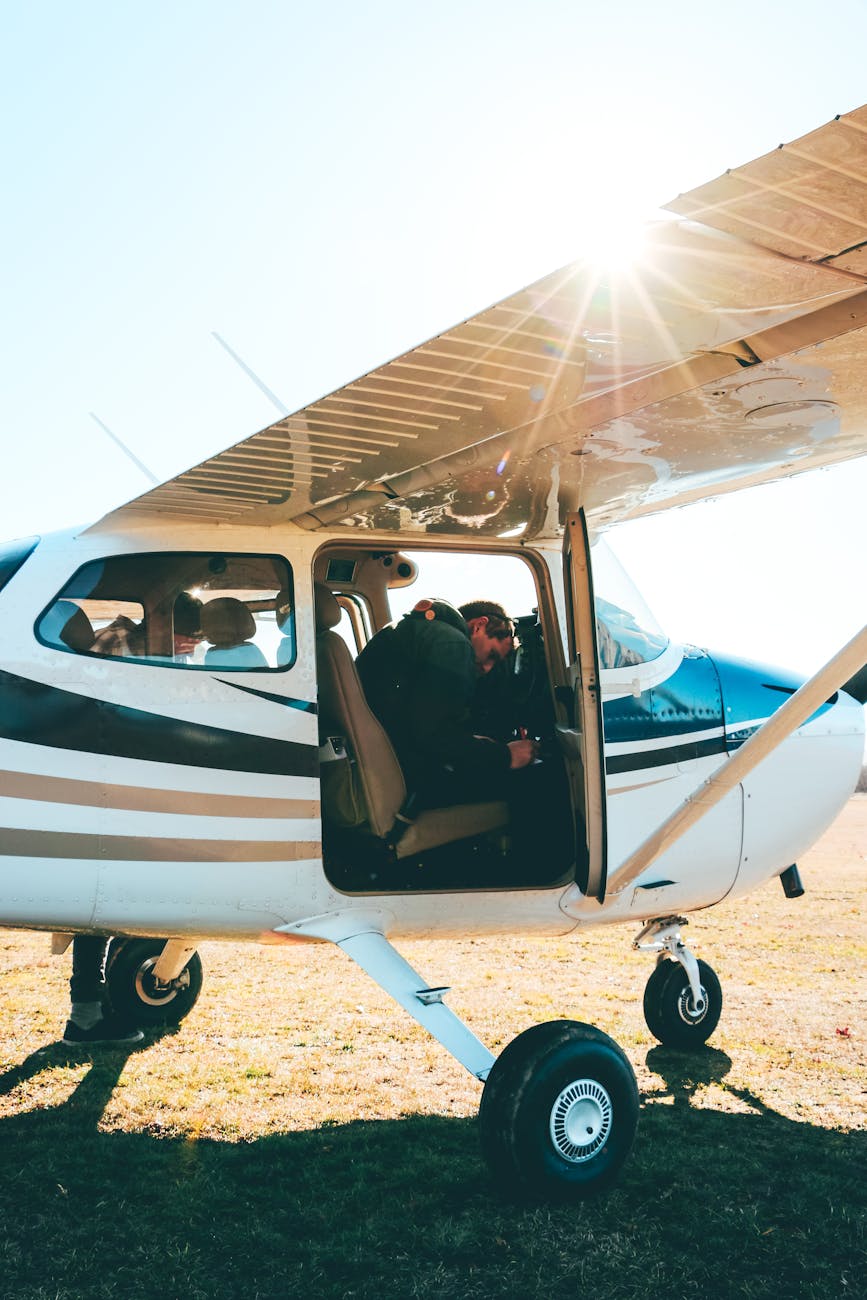
Factors That Influence Cost
Several factors can dramatically affect your flight training expenses:
- Flight School Type: University aviation programs often cost more but may include a degree. Part 61 flight schools tend to be more flexible and potentially cheaper, while Part 141 schools offer a more structured curriculum, which can reduce flight hour requirements.
- Location: Areas with better weather allow for more frequent flights, which can speed up your training and reduce costs. However, urban areas may have higher overall expenses.
- Aircraft Rental Fees: Older aircraft may be cheaper to rent, but newer models may be more fuel-efficient and comfortable.
- Instructor Fees: Hourly rates can vary widely depending on the instructor’s experience and the school’s pricing.
- Flight Hours Needed: The FAA minimum for a commercial license is 250 hours, but many pilots graduate with closer to 300+ hours to be competitive.
Financing Your Flight Training
Due to the high cost, many aspiring pilots explore various funding options:
- Student Loans: Some lenders offer student loans for aviation training. University-affiliated programs may offer federal student aid.
- Scholarships & Grants: Organizations like AOPA, EAA, and Women in Aviation offer scholarships to help offset the cost.
- GI Bill (for Veterans): Veterans can often use their GI Bill benefits at approved schools.

4. Is It Worth It?
While the upfront cost can be daunting, a career as a pilot can be financially rewarding. Airline pilots in the U.S. can earn $80,000 to over $300,000 per year depending on experience and the airline. Plus, there’s the added value of job satisfaction, travel opportunities, and prestige.
That said, not everyone ends up at a major airline, and the path can be long. Being realistic about your goals, finances, and time commitment is essential.
Final Thoughts
Flight school is a serious investment—of both time and money. But for many, the rewards outweigh the costs. If you’re passionate about flying and committed to the process, it’s a journey that can pay off in more ways than one.
Whether you’re just starting to explore your options or ready to enroll, understanding the financial landscape is the first step toward taking flight.
✈️ Have questions about flight schools, training costs, or life as a pilot? Drop a comment or reach out—we’re happy to help you chart your course to the skies!

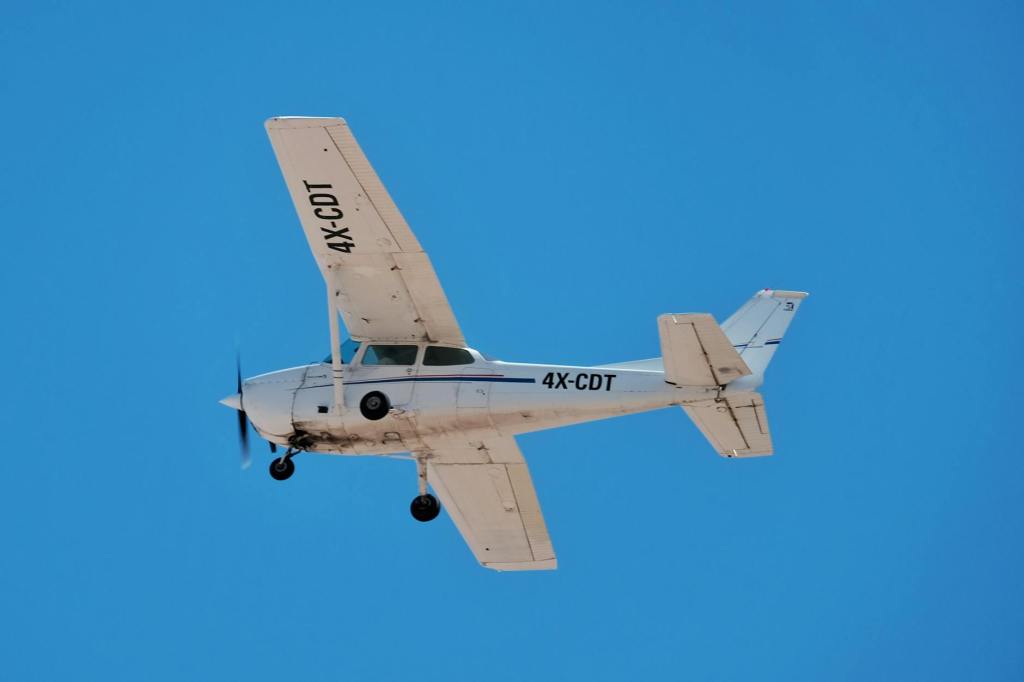

 Aerolim Aviation
Leave a comment