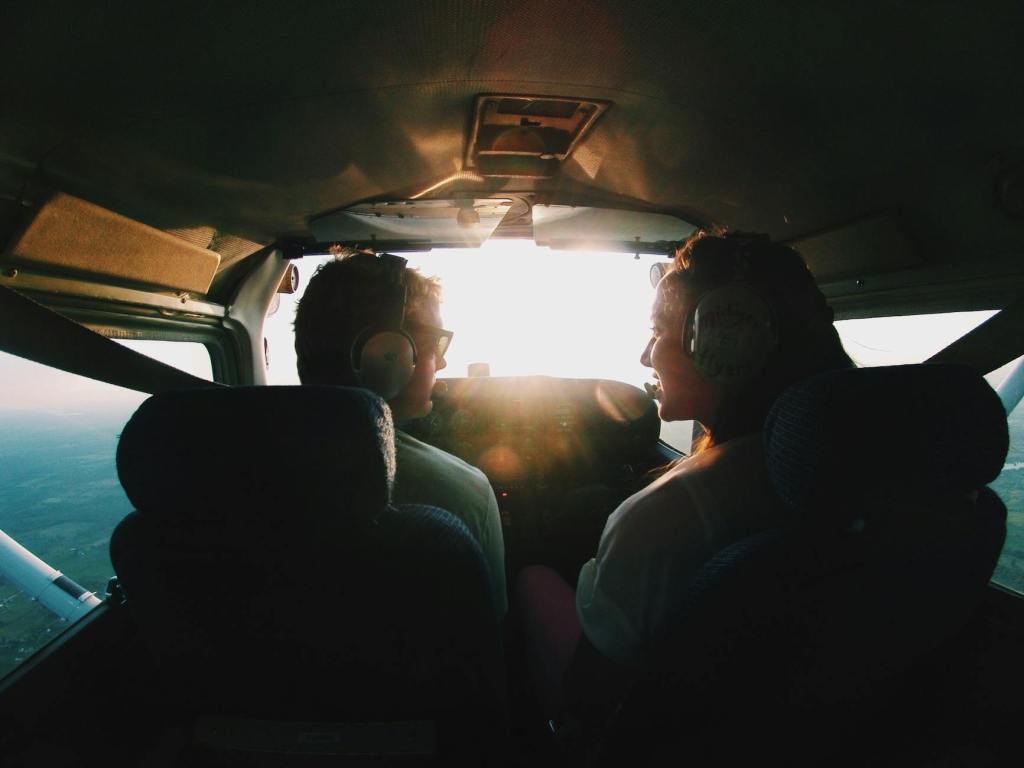
For many, learning to fly is a dream—whether for a career in aviation or simply to experience the freedom of flight. One of the most common questions people ask before beginning their journey is: How long does flight training take?
The answer isn’t one-size-fits-all. It depends on several factors including the type of license you’re pursuing, your availability, the training program, weather, and even your learning style. In this guide, we’ll break down how long flight training typically takes at different stages, what influences that timeline, and what you should expect along the way.
Understanding the Types of Pilot Licenses
The duration of flight training largely depends on the type of pilot license or rating you are aiming to achieve. Here are the most common ones, along with the average time required to earn each:
Private Pilot License (PPL)
A Private Pilot License allows you to fly single-engine aircraft for non-commercial purposes. This is typically the first license new pilots pursue.
- Minimum Flight Time (U.S./FAA): 40 hours
- Typical Flight Time: 60–70 hours
- Time to Complete (Full-Time): 3 to 6 months
- Time to Complete (Part-Time): 6 to 12 months
Most student pilots exceed the FAA minimum of 40 hours due to the time it takes to master maneuvers, navigation, and communication skills.

Commercial Pilot License (CPL)
A Commercial Pilot License is required to get paid to fly, not to be mistaken for an Airline Transport Pilot License. This is often the next step after obtaining a PPL and additional ratings such as the Instrument Rating.
- Minimum Flight Time (FAA): 250 hours total time
- Time to Complete (Full-Time): 6 to 12 months after PPL
- Time to Complete (Part-Time): 1 to 2 years
CPL programs usually include significant flight time-building, cross-country flying, and advanced maneuvers.
Instrument Rating (IR)
This rating allows a pilot to fly under Instrument Flight Rules (IFR), which is essential for flying in poor weather and for professional aviation.
- Flight Time Requirement: About 40 hours of instrument time
- Time to Complete: 1 to 3 months
While not a license by itself, the Instrument Rating is often pursued shortly after earning a PPL.
Airline Transport Pilot License (ATPL)
This is the highest level of pilot certification and is required to act as a captain for commercial airlines.
- Minimum Flight Time: 1,500 total flight hours (U.S.)
- Time to Complete: Varies significantly based on time-building
- Common Path: Achieved after working as a flight instructor or regional pilot
Key Factors That Influence Flight Training Duration
Several variables can impact how quickly a student progresses through training:
1. Training Frequency
Consistency is one of the most critical factors. Students who fly multiple times per week often progress faster than those training on weekends or sporadically. Gaps between lessons can lead to skill decay, requiring extra time to relearn maneuvers.
- Full-time students: Often complete PPL in 3–6 months
- Part-time students: May take 8–12 months or more
2. Weather Conditions
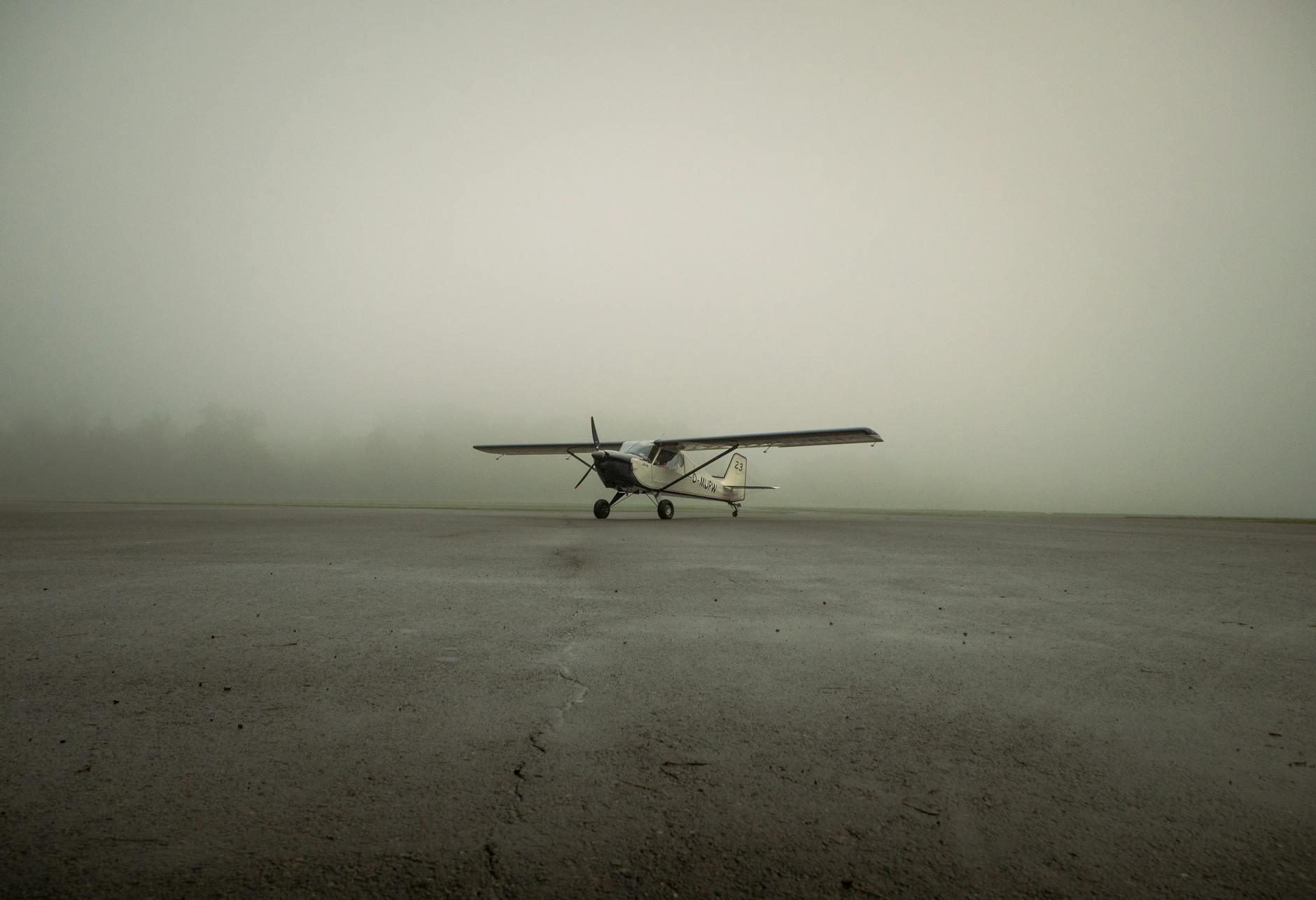
Flight training—especially for beginners—is highly dependent on weather. Rain, fog, wind, and poor visibility can delay lessons, particularly for Visual Flight Rules (VFR) training. This is especially relevant in regions with seasonal weather extremes.
3. Type of Flight School
There are two main types of flight training programs:
- Part 61 (U.S.): Offers more flexibility, ideal for part-time students. No specific syllabus and can be more student-tailored.
- Part 141 (U.S.): Structured and often faster for full-time students. FAA-approved syllabus with minimum time requirements.
Students in Part 141 schools may be able to complete training in fewer hours, which can reduce the timeline—if training is consistent. Check out this article to learn more about the differences between the two types: Part 61 vs Part 141
4. Student Aptitude and Background
Every student learns at their own pace. Prior experience with mechanical systems, strong spatial awareness, or even playing flight simulators can reduce the learning curve. However, even complete beginners can succeed with persistence and quality instruction.
5. Financial Resources
Flight training is expensive. Delays in funding can cause long pauses between lessons, slowing progress. It’s important to budget not just for flight hours, but also for exam fees, materials, and unforeseen delays.
Sample Flight Training Timeline (Full-Time Path)
Here’s what a full-time training schedule might look like for a student pursuing a professional pilot career in the U.S.:
| Stage | Duration | Cumulative Time |
|---|---|---|
| Private Pilot License (PPL) | 3–6 months | 3–6 months |
| Instrument Rating (IR) | 1–3 months | 4–9 months |
| Commercial Pilot License | 6–12 months | 10–21 months |
| Flight Instructor (CFI) | 2–4 months | 12–24 months |
| Time-building/ATPL Hours | Variable | ~2+ years total |
Flight Training Tips for Staying on Schedule
- Fly frequently: Aim for at least 2–3 lessons per week to maintain consistency.
- Prepare for ground school: Studying theory ahead of time can speed up checkride readiness.
- Budget wisely: Factor in the full cost of training, including potential delays.
- Communicate with your instructor: Discuss progress regularly and ask for feedback.
- Use simulators: Home flight simulators can supplement training and reduce costs.
Final Thoughts: It’s a Marathon, Not a Sprint
Flight training is a significant investment of both time and money, but it is one of the most rewarding pursuits you can undertake. While it’s possible to earn your licenses quickly through full-time, accelerated programs, many students train part-time over the course of a year or more.
The most important thing is to stay consistent, stay motivated, and work with an instructor and school that support your goals. Whether you’re flying for fun or on the path to the airlines, the timeline can be adjusted to suit your lifestyle.
Ready to begin your flight training journey? If you have questions about choosing a flight school, budgeting for training, or creating a realistic timeline, feel free to reach out or leave a comment below.


 Aerolim Aviation
Leave a comment