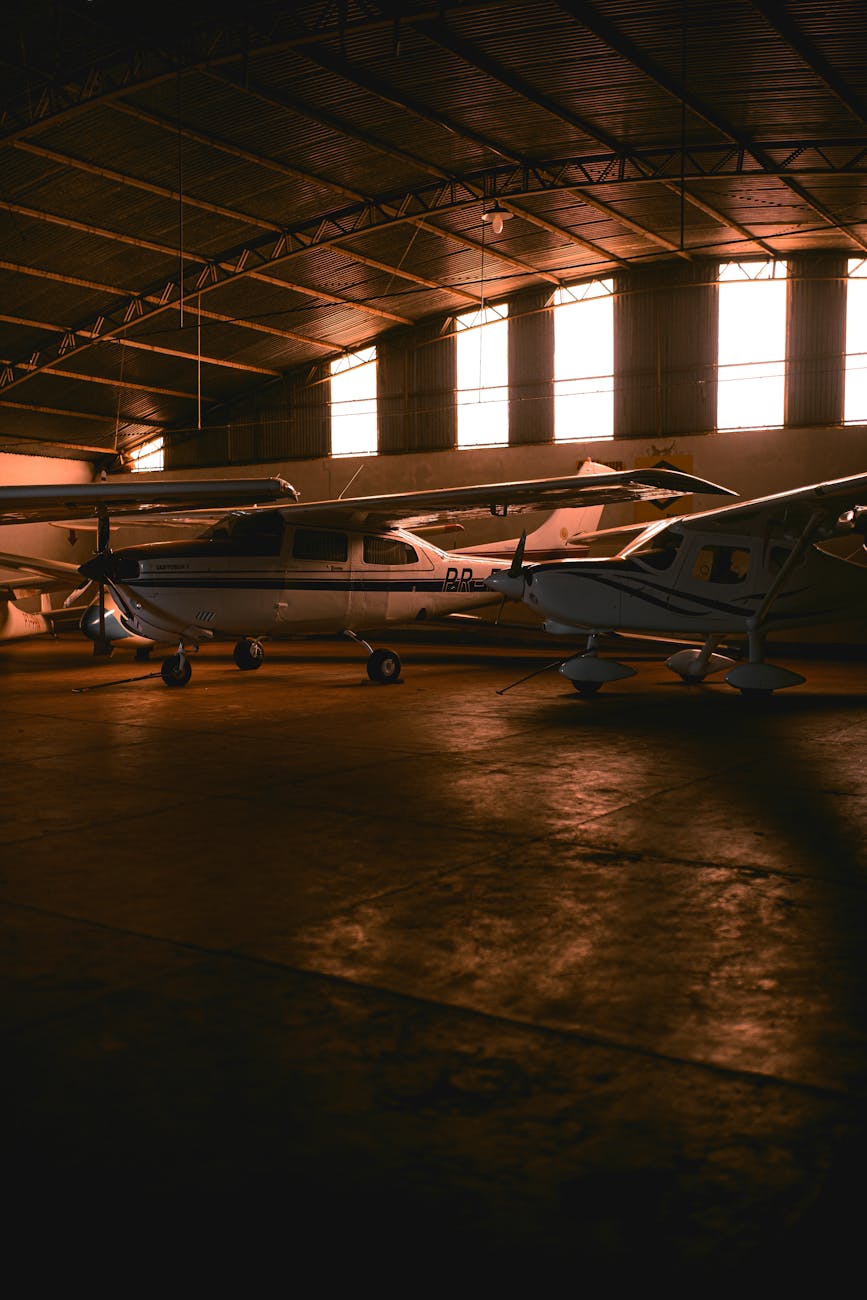
When you walk onto the tarmac of any flight school, you’ll often see a small fleet of general aviation aircraft sitting neatly in rows. These planes are the backbone of flight training, serving thousands of aspiring pilots across the globe every year. But not all training aircraft are created equal. Some are more forgiving for new students, some offer better avionics training, and others are more suitable for commercial or advanced instruction.
In this comprehensive guide, we’ll explore the most common flight school aircraft, including their features, performance specs, strengths, and typical uses. Whether you’re a student pilot, aviation enthusiast, or just curious about the kinds of planes used in flight training, this post will give you a deep dive into the airplanes that shape pilot education today.
Why Certain Aircraft Dominate Flight Schools
Before diving into individual models, let’s look at what makes an aircraft suitable for training:
- Simplicity: Beginner-friendly handling, easy-to-read instruments, and basic systems.
- Durability: Flight schools need planes that can endure hundreds of hard landings and frequent use.
- Affordability: Lower fuel consumption, parts availability, and maintenance costs keep the cost of training manageable.
- Dual Controls: All training aircraft must have dual controls to allow the instructor to take over.
With those criteria in mind, let’s explore the most commonly used aircraft in flight schools across the U.S. and around the world.
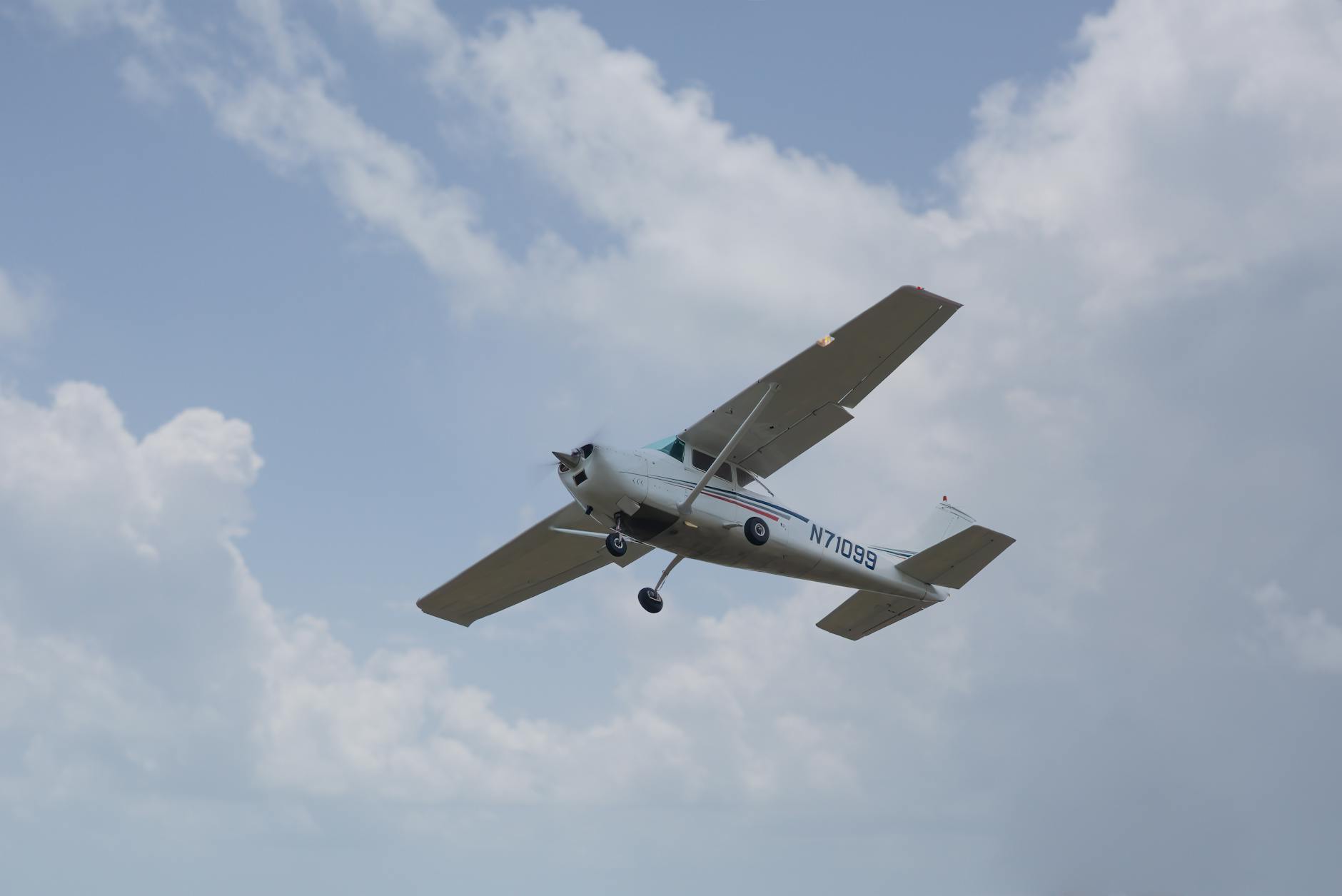
1. Cessna 172 Skyhawk
The Gold Standard of Flight Training
- Type: Single-engine, high-wing
- Seats: 4
- Cruise Speed: ~122 knots
- Range: ~640 nautical miles
- Engine: Lycoming IO-360-L2A (180 hp)
- First Flight: 1955
The Cessna 172 is the most widely used training aircraft in the world. It has been in production longer than any other aircraft and is beloved for its docile flight characteristics and dependability.
Why Flight Schools Love It:
- Stable and forgiving
- Easy to land and handle
- Durable landing gear
- High-wing design allows for great visibility
- Compatible with modern glass cockpit avionics (e.g., Garmin G1000)
Many Part 61 and Part 141 flight schools use Cessna 172s for everything from private pilot training to commercial and instrument rating instruction.
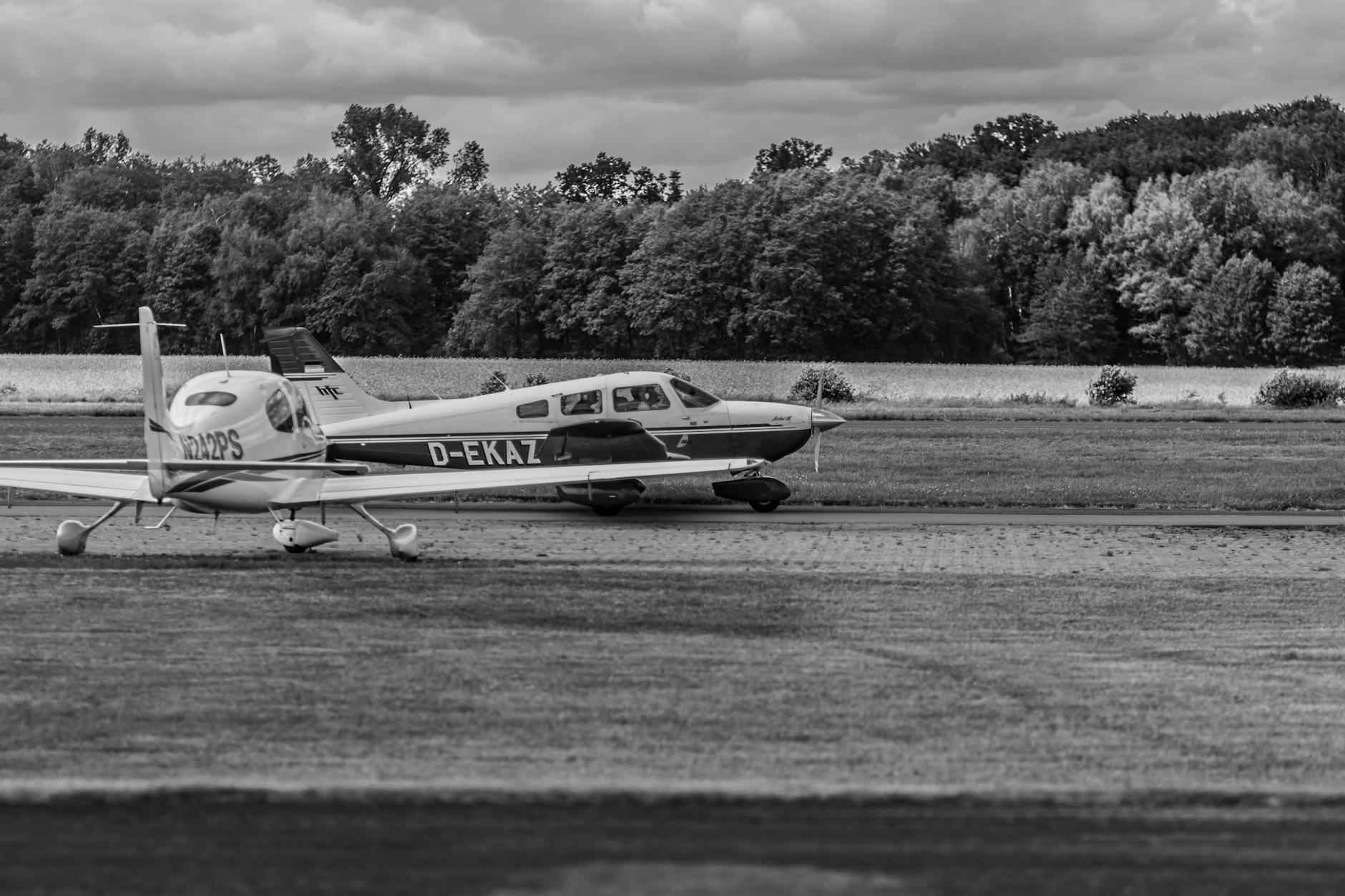
2. Piper PA-28 Cherokee Series (Warrior, Archer, Arrow)
Low-Wing Versatility
- Type: Single-engine, low-wing
- Seats: 4
- Cruise Speed: ~110–130 knots
- Range: ~500–700 nautical miles
- Engine: Varies from 150–200 hp depending on model
The Piper Cherokee family—especially the Warrior, Archer, and Arrow models—is another flight training favorite. Unlike the Cessna’s high-wing configuration, the Piper offers a low-wing experience, which is useful for students wanting diverse training exposure.
Why Flight Schools Love It:
- Rugged and simple airframe
- Stable in turbulence
- Offers retractable gear and constant-speed prop (Arrow) for complex endorsements
- Comfortable for cross-country flights
The Piper Arrow, with its retractable landing gear and constant-speed propeller, is often used in commercial pilot training.
3. Diamond DA20 and DA40
Modern, Composite, and Efficient
- Type: Single-engine, low-wing (composite)
- Seats: DA20 (2 seats), DA40 (4 seats)
- Cruise Speed: ~120–150 knots
- Range: ~700–900 nautical miles
- Engine: Rotax 912 (DA20), Lycoming IO-360 (DA40)
The Diamond Aircraft line has grown in popularity due to its composite construction, modern avionics, and excellent fuel efficiency. The DA20 is perfect for primary training, while the DA40 adds more capability and comfort for cross-country and instrument training.
Why Flight Schools Love It:
- Modern design with excellent glide ratios
- Fuel-efficient engines
- Responsive handling
- Garmin G1000-equipped cockpits (in most configurations)
- Great cockpit visibility with bubble canopy (DA20)
Flight schools like Embry-Riddle and ATP Flight School use Diamond aircraft in their fleets.
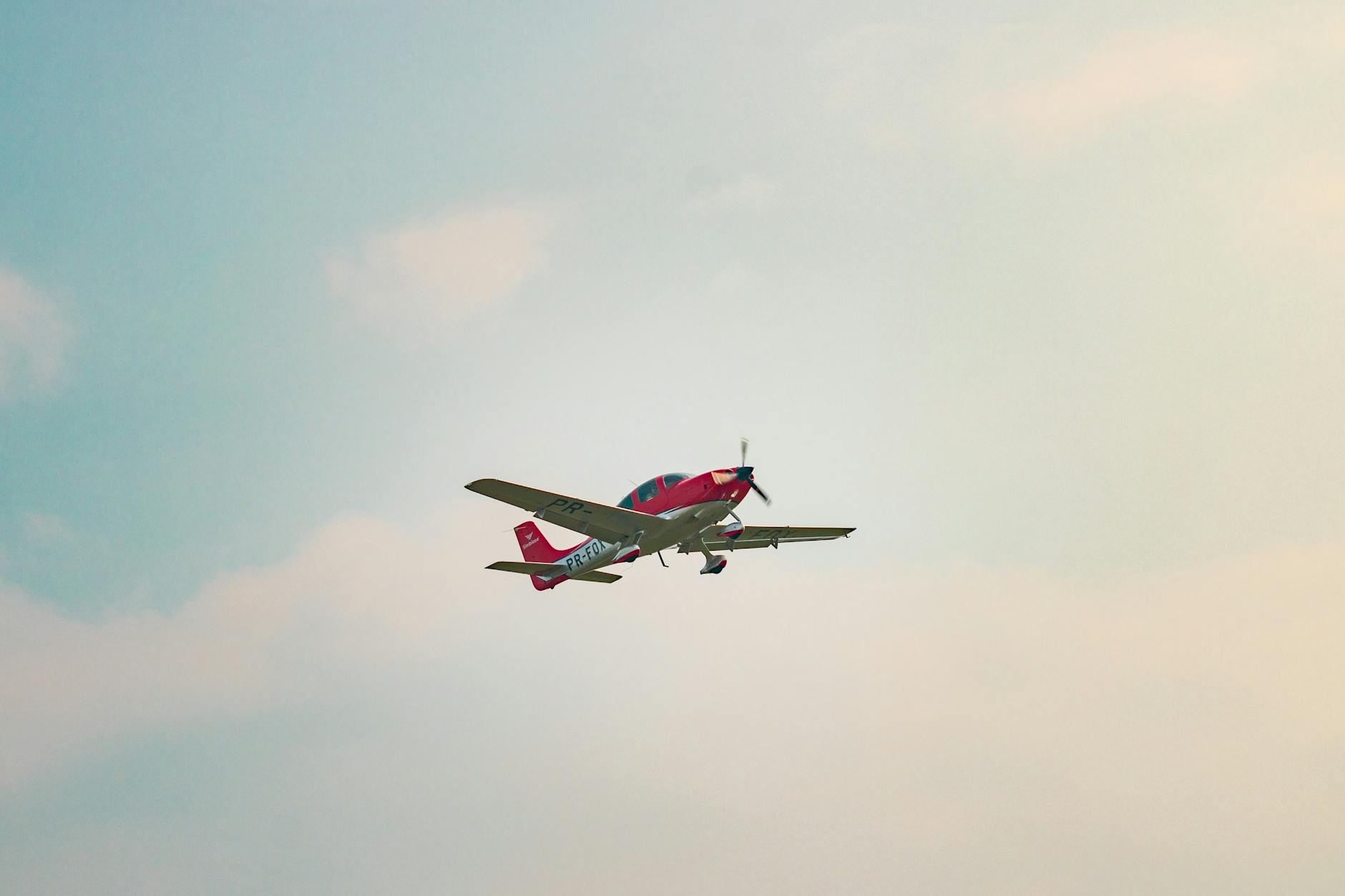
4. Cirrus SR20 and SR22
High-End Glass Cockpit Trainers
- Type: Single-engine, low-wing
- Seats: 4
- Cruise Speed: SR20 (~155 knots), SR22 (~180+ knots)
- Range: ~800–1,200 nautical miles
- Engine: Continental IO-360 (SR20), IO-550-N (SR22)
- Notable Feature: Cirrus Airframe Parachute System (CAPS)
The Cirrus SR series are technically advanced aircraft (TAA), perfect for flight schools offering advanced or accelerated training programs. While more expensive, they prepare students for modern airline-style glass cockpit environments.
Why Flight Schools Love It:
- Full glass avionics suite (Garmin Perspective or Avidyne)
- Parachute system provides added safety
- High performance and useful load
- Luxury interiors, often used in collegiate and airline pathway programs
Schools like University of North Dakota (UND) and Cirrus Pilot Proficiency Programs use SR20s for instrument and commercial-level instruction.
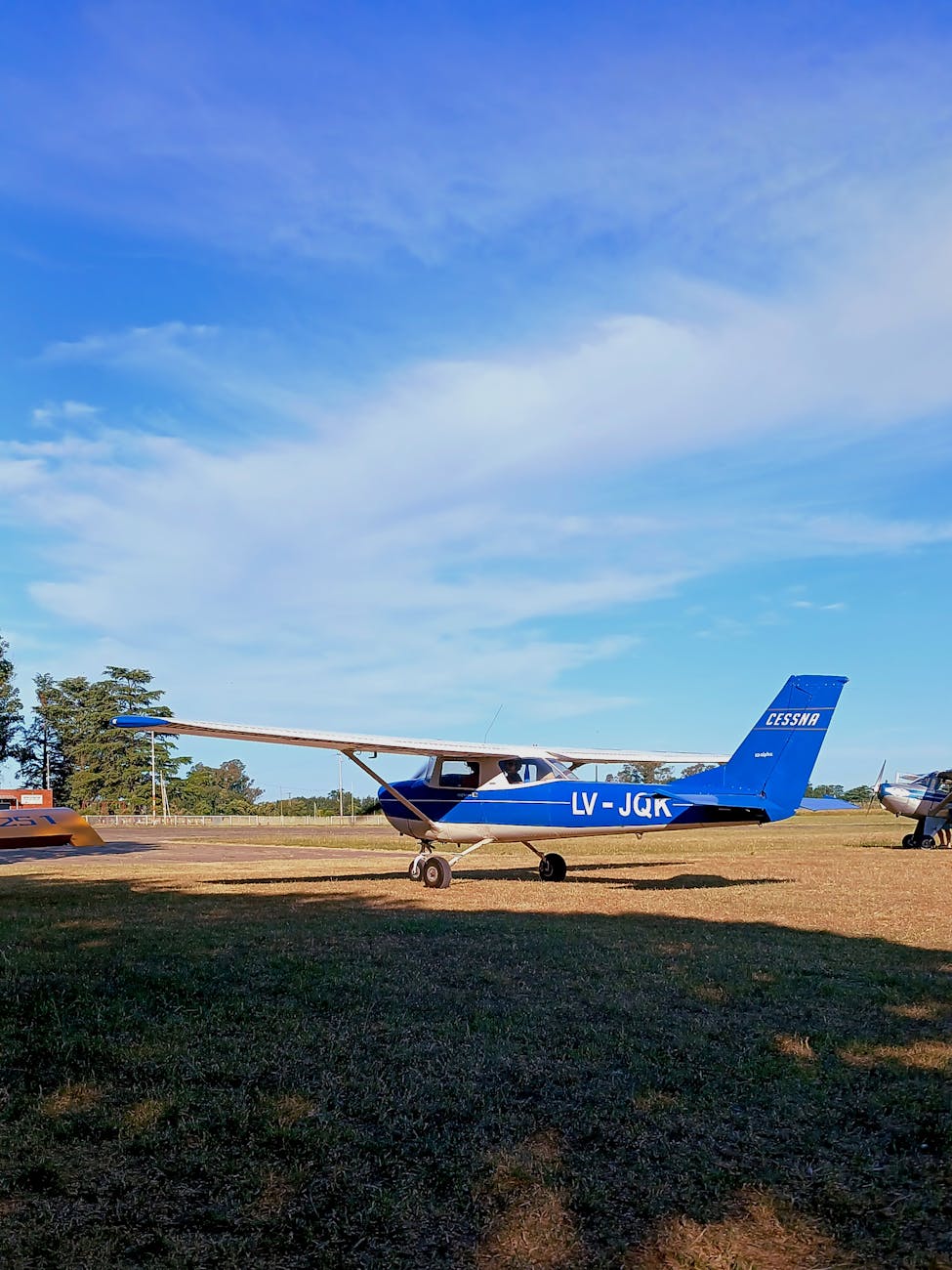
5. Cessna 150/152
The Classic Two-Seater Trainer
- Type: Single-engine, high-wing
- Seats: 2
- Cruise Speed: ~95 knots
- Range: ~300–500 nautical miles
- Engine: Continental O-200 (150), Lycoming O-235 (152)
While being phased out in many places due to age, the Cessna 150 and 152 are still flying in flight schools around the world. They’re simple, cheap to operate, and ideal for solo practice and primary training.
Why Flight Schools Love It:
- Very low operating costs
- Durable, great for short hops
- Excellent for practicing landings and pattern work
If you’re on a budget or looking for a more “stick and rudder” learning environment, these aircraft still hold value.
6. Tecnam P2002 and P2006T
European Style and Dual Engine Training
- Type: P2002 (single-engine, 2-seat), P2006T (twin-engine, 4-seat)
- Cruise Speed: ~110–145 knots
- Range: ~400–700 nautical miles
- Engine: Rotax 912/914 series
Tecnam aircraft are gaining popularity in the U.S. and are especially favored in Europe and Latin America. The P2002 is a good alternative to the Cessna 152 or DA20 for primary training, while the P2006T offers an affordable and efficient option for multi-engine training.
Why Flight Schools Love It:
- Very fuel-efficient
- Glass cockpit configurations available
- Affordable twin-engine option (P2006T)
- EASA and FAA certified
Schools looking to upgrade from legacy multi-engine aircraft like the Beechcraft Duchess often turn to the Tecnam P2006T.
7. Beechcraft Duchess (BE-76)
Traditional Multi-Engine Trainer
- Type: Twin-engine, low-wing
- Seats: 4
- Cruise Speed: ~140–160 knots
- Range: ~700 nautical miles
- Engine: Lycoming O-360 (180 hp per engine)
While older and less fuel-efficient than modern trainers, the Beechcraft Duchess remains a go-to option for multi-engine commercial training, especially in the U.S. It’s heavier and more challenging than newer twins, giving students solid experience managing complex systems.
Why Flight Schools Love It:
- Proven training platform
- Teaches real-world multi-engine aerodynamics
- Retractable gear and constant-speed props
Many flight academies, including ATP and university programs, use the Duchess alongside more modern offerings.
Factors to Consider When Choosing a Flight School Based on Aircraft
If you’re a prospective student, the type of aircraft used by a flight school can significantly influence your training experience. Here’s what to consider:
| Factor | Consideration |
|---|---|
| Modern vs Legacy | Do you prefer Garmin glass cockpits or traditional analog gauges? |
| High-Wing vs Low-Wing | High-wings offer better downward visibility; low-wings often handle differently. |
| Budget | Older aircraft (C152, PA-28) are cheaper but may lack modern systems. |
| Advanced Ratings | Look for complex (e.g., Piper Arrow) or twin (e.g., P2006T, Duchess) aircraft if pursuing commercial or multi-engine ratings. |
| Maintenance and Downtime | Older aircraft may have longer downtimes due to aging parts. |
Aircraft Transitioning: From Basic to Advanced
Flight students often begin in a basic trainer (like the C172 or DA20), then transition to more complex and high-performance aircraft as they progress. Here’s a typical path:
- Private Pilot License (PPL): Cessna 172, Piper Warrior, Diamond DA20
- Instrument Rating (IR): Cessna 172 G1000, DA40, Cirrus SR20
- Commercial Pilot License (CPL): Piper Arrow, Cirrus SR22
- Multi-Engine Rating: Beechcraft Duchess, Tecnam P2006T
- CFI/CFII: Often return to 172s or Archers for instruction
Conclusion: The Right Plane Makes All the Difference
Each of the aircraft covered in this blog plays a specific and important role in shaping today’s pilot workforce. From the iconic Cessna 172 to the advanced Cirrus SR22, the variety of training aircraft available ensures that students get both foundational knowledge and real-world preparation.
Whether you’re starting your aviation journey or researching flight schools, understanding the capabilities and differences between training aircraft will help you make more informed decisions—and possibly even fall in love with a specific model.
Have questions about choosing a flight school or which aircraft fits your training goals? Leave a comment or contact us for personalized advice!



 Aerolim Aviation
Leave a comment