
The allure of flying has captivated people for over a century. The image of a pilot commanding a sophisticated aircraft, soaring above the clouds, and traveling the world is one that still sparks dreams in many. But with recent shifts in the aviation industry, many prospective pilots ask a very legitimate question: is it still worth becoming an airline pilot in 2025?
In this comprehensive blog, we’ll explore the current state of the aviation industry, the costs involved in becoming a pilot, the job prospects, lifestyle considerations, and long-term career outlook. This analysis should help you determine whether pursuing a career as an airline pilot aligns with your personal and financial goals.
The State of the Aviation Industry in 2025
The aviation industry has always been cyclical, heavily influenced by global economic conditions, geopolitical factors, and technological advancements. The COVID-19 pandemic was one of the most significant disruptors the industry had ever faced, grounding fleets worldwide and leading to a mass exodus of pilots due to early retirements and layoffs. However, the post-pandemic recovery has been robust.
In 2025, passenger demand has rebounded to pre-pandemic levels in many regions. According to the International Air Transport Association (IATA), global air traffic has reached nearly 100% of 2019 levels, with some markets surpassing it. Low-cost carriers (LCCs) continue to expand aggressively, and international travel has resumed its upward trajectory as restrictions ease worldwide.
Cargo operations also remain strong, bolstered by the ongoing boom in e-commerce. The need for experienced pilots is not only present but growing, particularly as older pilots continue to retire and airlines face the challenge of replenishing their ranks.

The Pilot Shortage: Myth or Reality?
For years, industry experts have predicted an impending pilot shortage. Boeing’s Pilot and Technician Outlook 2023 forecasted a global need for 602,000 new pilots over the next 20 years. While some argue that automation may eventually reduce the need for pilots, these technologies are not expected to replace human pilots in the foreseeable future, especially for commercial passenger flights.
In regions like North America, Europe, and Asia-Pacific, the shortage is becoming acute. The U.S. faces a mandatory retirement age of 65 for airline pilots, and many baby boomer pilots are aging out. Meanwhile, flight schools struggle to keep up with the surge in demand for new pilots.
Airlines have responded by offering attractive signing bonuses, tuition reimbursement, and more structured pathways from regional to major carriers. For those entering the field now, opportunities are plentiful, but so is competition.
The Cost of Becoming a Pilot
While the career prospects look promising, the cost of training remains a significant barrier. To obtain the necessary certifications, including:
- Private Pilot License (PPL)
- Instrument Rating (IR)
- Commercial Pilot License (CPL)
- Multi-Engine Rating (ME)
- Certified Flight Instructor (CFI)
- Airline Transport Pilot (ATP)
Prospective pilots should expect to invest between $70,000 and $150,000, depending on the flight school, location, and type of program (Part 61 vs. Part 141).
In the U.S., some university aviation programs can cost even more when factoring in tuition, fees, and living expenses. Financing options are available through private loans, scholarships, and occasionally, airline-sponsored programs.
While expensive, many pilots view this as an investment in a long-term career. Salaries at regional airlines start lower but increase substantially with experience, especially upon reaching a major airline.
Airline Pilot Salaries in 2025
Salaries for airline pilots have seen significant increases in recent years, driven in part by the pilot shortage and union negotiations. Here’s a general breakdown:
- Regional Airlines (First Officer): $50,000 to $90,000 annually.
- Regional Airlines (Captain): $90,000 to $150,000 annually.
- Major Airlines (First Officer): $120,000 to $200,000 annually.
- Major Airlines (Captain): $250,000 to $400,000+, with some wide-body captains earning even more.
Many major airlines also offer excellent benefits, including 401(k) matching, profit-sharing, health insurance, and travel perks for pilots and their families.
The Lifestyle: Pros and Cons
While the financial rewards can be significant, the pilot lifestyle isn’t for everyone. It’s essential to consider the following factors:
Pros:
- Travel to different cities, countries, and continents.
- Attractive compensation and benefits.
- High level of job satisfaction for those passionate about aviation.
- Opportunities for career progression and lateral moves (training, management, simulator instruction).
Cons:
- Irregular schedules, especially in the early years.
- Time away from family and friends.
- Fatigue from long duty days and time zone changes.
- Medical requirements must be maintained; health issues can jeopardize a career.
- Seniority system dictates schedule flexibility and preferred routes.
For many pilots, the love of flying outweighs these challenges. But it’s critical to enter the field with realistic expectations about the demands of the job.
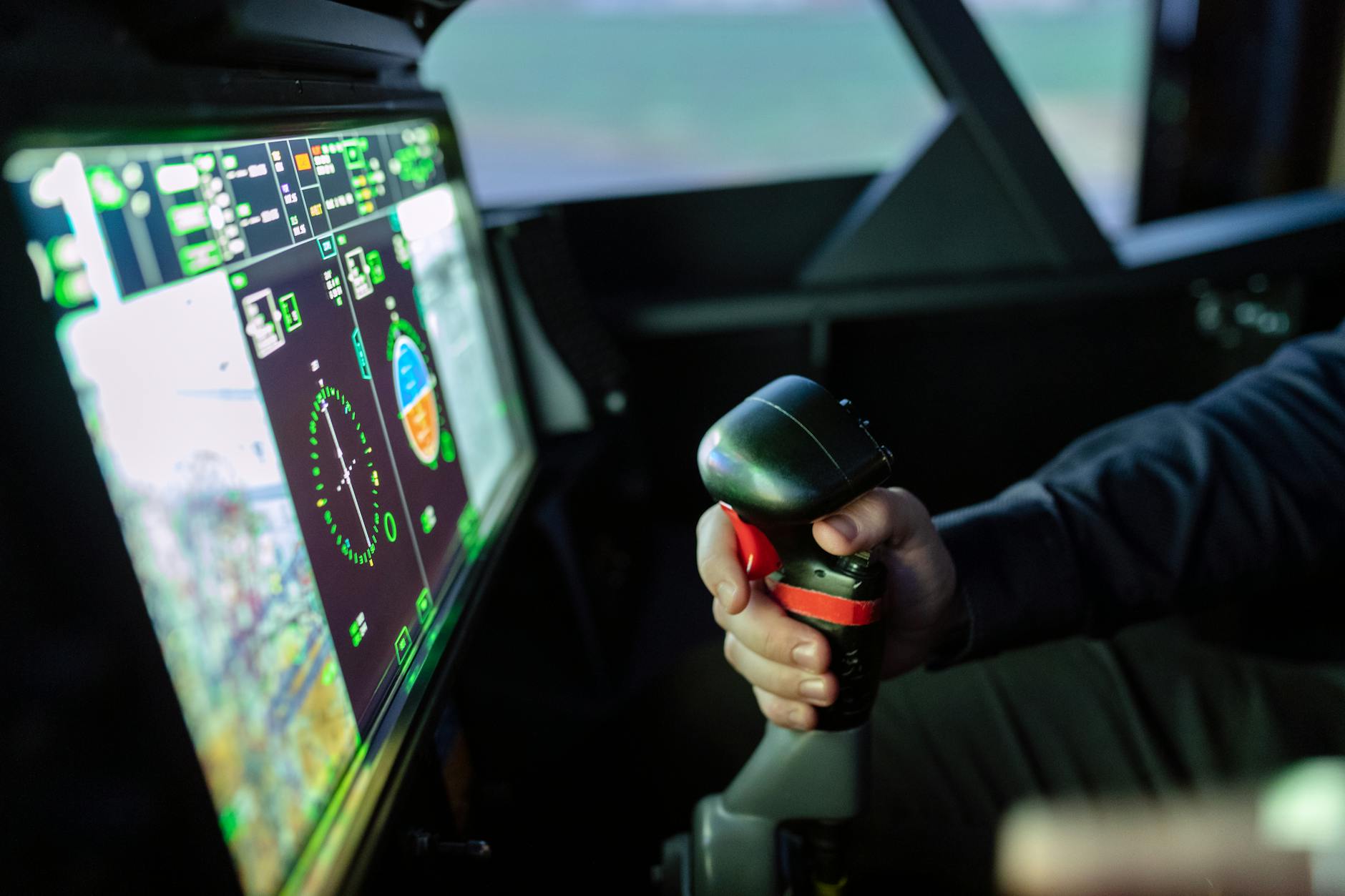
Technology and Automation: A Threat to Pilots?
One concern often raised is whether automation will eventually eliminate pilot jobs. While technological advances such as autonomous vehicles, drones, and sophisticated autopilot systems have made enormous strides, commercial airline flying remains complex.
Passengers, regulators, and airlines continue to place high value on having trained professionals in the cockpit. While some predict a shift from two-pilot to single-pilot operations in certain cargo applications, widespread adoption in commercial passenger aviation remains decades away due to regulatory, safety, and public perception hurdles.
In fact, increasing automation often requires pilots to have even greater situational awareness and technical expertise. The skill set is evolving but remains indispensable.
Alternative Aviation Careers
For those who may hesitate at the airline lifestyle, many alternative aviation career paths exist:
- Corporate aviation (business jets)
- Cargo operations (FedEx, UPS, DHL, Amazon Air)
- Flight instruction
- Agricultural flying
- Aerial firefighting
- Medical transport (air ambulance)
- Government aviation (law enforcement, search and rescue)
- Test piloting and aviation consulting
Many of these roles offer better schedules and unique flying experiences, though compensation may vary widely.
The Impact of Environmental Concerns
Environmental sustainability is a growing issue in aviation. Governments and airlines are under increasing pressure to reduce carbon emissions, leading to investments in sustainable aviation fuel (SAF), electric aircraft, and more efficient air traffic management.
While these developments will change how pilots operate in the future, they are unlikely to eliminate the need for pilots. Instead, pilots will require additional training on new technologies and eco-friendly procedures.
Long-Term Career Stability
Historically, airline pilots have enjoyed stable and lengthy careers, often retiring after decades of flying. The cyclical nature of the industry (economic downturns, pandemics, etc.) introduces some uncertainty, but demand for air travel shows strong long-term resilience.
Globalization, emerging markets, and a growing middle class worldwide will continue to drive passenger growth. Pilots who maintain strong skills, adaptability, and professionalism are well-positioned for a stable career.
The Intangibles: Passion, Purpose, and Pride
Perhaps one of the most overlooked factors is the intrinsic satisfaction many pilots derive from their work. The sense of accomplishment that comes with mastering a complex skill, the camaraderie of the aviation community, and the privilege of seeing the world from 35,000 feet are difficult to quantify but immensely rewarding.
Pilots often speak of a sense of purpose and pride that few other professions can match. For those who genuinely love aviation, the challenges of the career are often viewed as part of the adventure rather than deterrents.
Final Thoughts: Is It Still Worth It?
In 2025, becoming an airline pilot remains a highly rewarding career for the right individual. The industry is growing, demand for pilots is strong, and compensation has never been more competitive. However, the path requires substantial financial investment, personal sacrifice, and unwavering commitment.
Those who succeed often possess a genuine passion for aviation, resilience in the face of industry ups and downs, and a willingness to continually learn and adapt. If you fit that profile, the sky truly is the limit.
As with any major life decision, thorough research, honest self-assessment, and discussions with current pilots can provide invaluable insights. While not without its challenges, becoming an airline pilot remains one of the most unique, exciting, and fulfilling careers available today.




 Aerolim Aviation
Leave a comment