
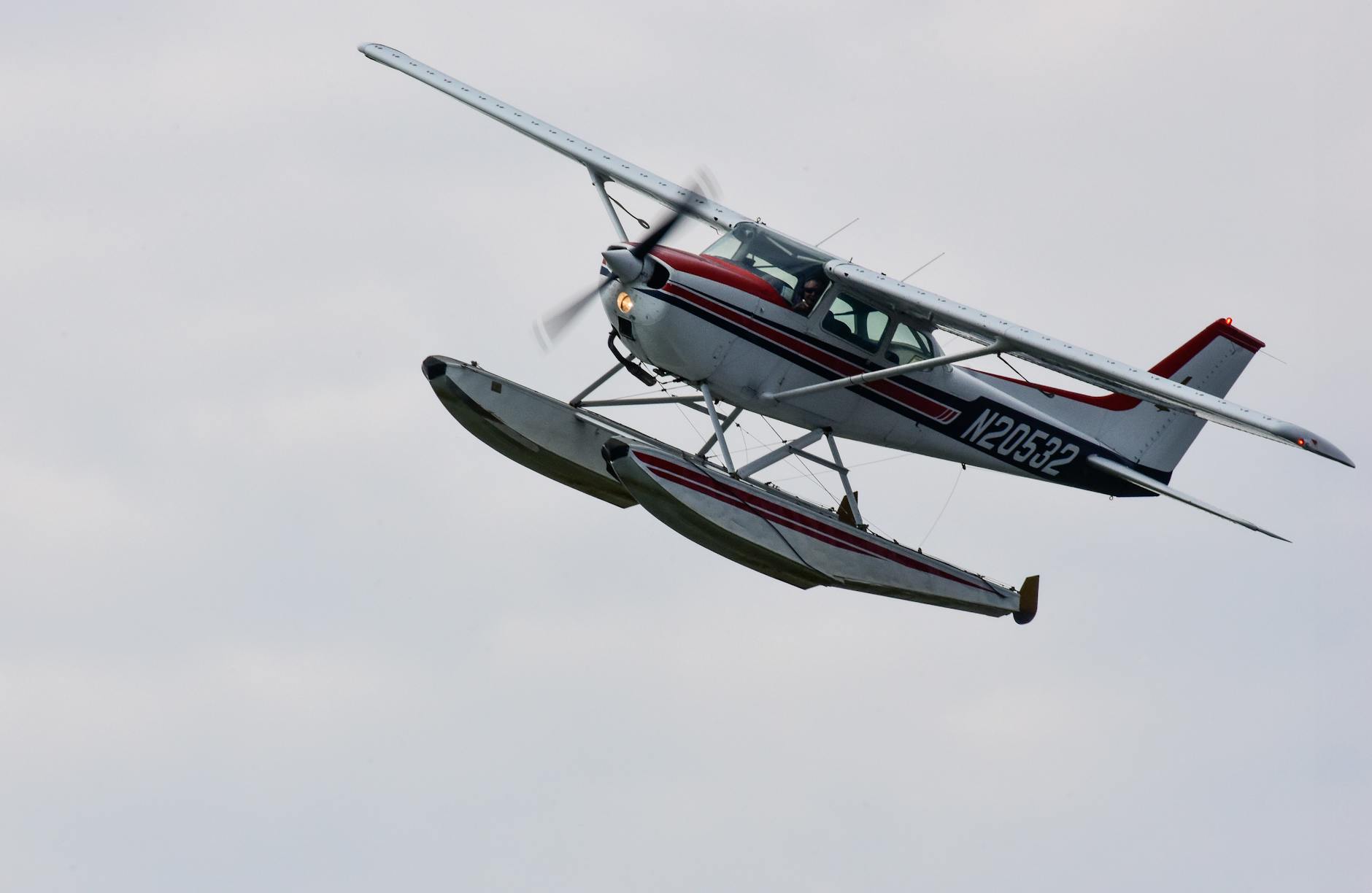
When it comes to flight training and general aviation, one aircraft stands head and shoulders above the rest: the Cessna 172. Known for its reliability, simplicity, and versatility, the Cessna 172 has become synonymous with flight schools, private pilot training, and recreational flying around the world. As of 2025, this aircraft continues to dominate the skies and remains the go-to choice for both new pilots and seasoned aviators.
In this comprehensive blog, we will explore the history, design, performance, variants, advantages, disadvantages, and the overall significance of the Cessna 172 in aviation today.
A Brief History of the Cessna 172
The Cessna 172, also known as the Skyhawk, first took to the skies in 1955. Designed as a tricycle-gear variant of the Cessna 170, the 172 quickly distinguished itself as an easy-to-fly, forgiving, and robust airplane. Its design was revolutionary for its time, offering better visibility, improved ground handling, and greater safety compared to tailwheel aircraft.
Since its introduction, over 44,000 Cessna 172s have been produced, making it the most produced aircraft in history. Its enduring popularity speaks volumes about its design, utility, and timeless appeal.
Design and Features
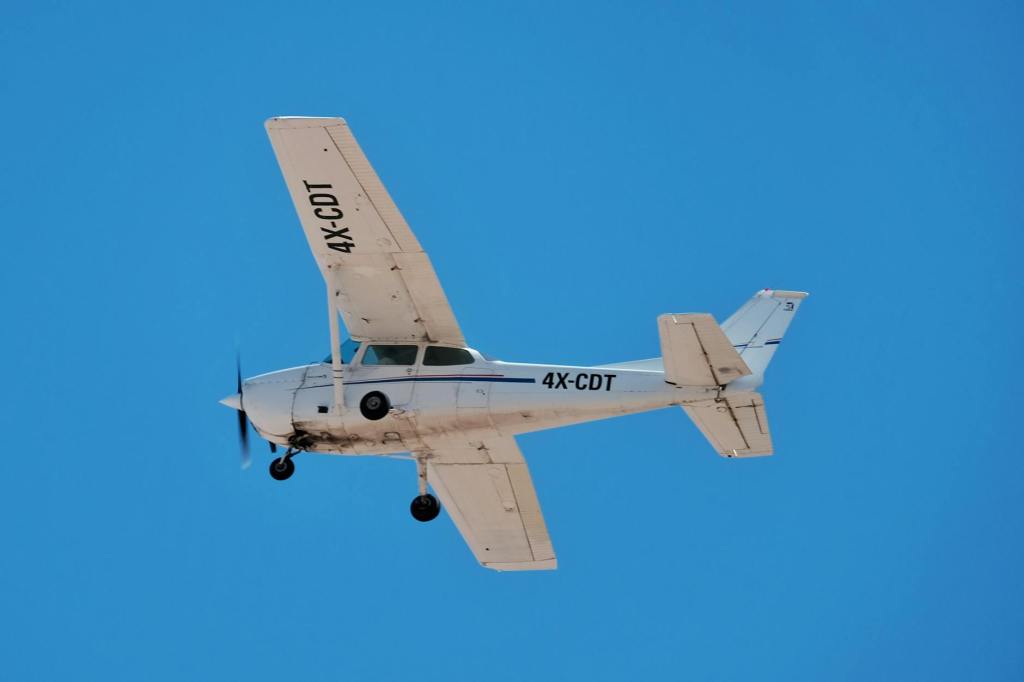
The Cessna 172 is a four-seat, single-engine, high-wing aircraft that embodies simplicity and functionality. Here are some key design elements:
- High-Wing Configuration: Provides excellent visibility for pilots, simplifies preflight inspections, and offers better clearance from obstacles on the ground.
- Tricycle Landing Gear: Easier ground handling and landing characteristics compared to tailwheel aircraft.
- Fixed-Pitch Propeller: Simple operation with minimal pilot workload.
- Rugged Airframe: Built to withstand the rigors of flight training and repeated use.
Modern Cessna 172 models, like the Skyhawk SP, are equipped with advanced avionics packages such as the Garmin G1000 NXi glass cockpit, enhancing situational awareness and safety.
Performance Specifications
While not designed for speed or aerobatics, the Cessna 172 excels in stability, efficiency, and ease of operation. Here are typical performance specs for the Cessna 172S Skyhawk SP:
- Engine: Lycoming IO-360-L2A, 180 horsepower
- Cruise Speed: Approximately 122 knots (140 mph)
- Stall Speed: 48 knots (55 mph) with flaps down
- Maximum Range: About 640 nautical miles
- Service Ceiling: 14,000 feet
- Takeoff Distance: Approximately 1,630 feet
- Landing Distance: Approximately 1,335 feet
These performance numbers make the 172 ideal for short cross-country flights, flight training, and recreational flying.

Variants of the Cessna 172
Over its long production run, several variants of the Cessna 172 have been produced, each offering incremental improvements:
- Cessna 172 (1956): The original model with a 145-hp Continental O-300 engine.
- Cessna 172A to 172C: Early iterations with minor modifications and improvements.
- Cessna 172D (1963): Introduced a redesigned rear window for better visibility.
- Cessna 172E to 172K: Continued refinements in avionics, interiors, and minor structural changes.
- Cessna 172L to 172M: Improved landing gear and increased maximum takeoff weight.
- Cessna 172N (1977): Introduced the Lycoming O-320-H2AD engine.
- Cessna 172P (1981): Further engine and interior updates.
- Cessna 172R (1996): 160-hp Lycoming IO-360-L2A fuel-injected engine.
- Cessna 172S (1998-present): Current production model with a 180-hp engine and modern avionics.
Each variant reflects Cessna’s commitment to continuous improvement while preserving the aircraft’s core qualities.
Why the Cessna 172 is Perfect for Flight Training
The Cessna 172’s popularity in flight training is no accident. Several key factors contribute to its dominance in flight schools worldwide:
- Forgiving Flight Characteristics: Stable, predictable handling makes it ideal for student pilots.
- Excellent Visibility: High-wing design offers unobstructed views for better situational awareness.
- Durability: Designed to withstand the demands of repeated training flights.
- Ease of Maintenance: Widely available parts and a simple design keep maintenance costs manageable.
- Advanced Avionics: Modern glass cockpits prepare students for advanced aircraft systems.
- Widely Supported: Numerous certified flight instructors (CFIs) are familiar with the 172, ensuring consistent training quality.
Ownership and Operating Costs
For private owners, the Cessna 172 represents an affordable entry into general aviation. Here’s a rough breakdown of typical operating costs in 2025:
- Acquisition Cost: $300,000 to $400,000 for a new model; $50,000 to $200,000 for a used one, depending on age and condition.
- Fuel Burn: Approximately 8 to 10 gallons per hour of 100LL avgas.
- Annual Inspection: $1,000 to $2,500 depending on the maintenance facility and aircraft condition.
- Insurance: $1,000 to $3,000 annually depending on experience and coverage.
- Hangar/Tie-down Fees: $100 to $500 per month depending on location.
- Maintenance and Repairs: Varies, but budgeting $3,000 to $5,000 annually is reasonable for routine maintenance.
Overall, the Cessna 172 offers a relatively economical option for private pilots compared to more complex or high-performance aircraft.
The Cessna 172’s Role in Aviation Culture
Beyond its practical benefits, the Cessna 172 holds a special place in aviation culture. It has been the starting point for countless pilots, many of whom have gone on to careers in the airlines, military, and corporate aviation. The aircraft’s iconic profile is instantly recognizable, often serving as the face of general aviation in media and advertising.
The 172 is also a popular choice for record-setting flights. For example, in 1958, Robert Timm and John Cook set the world record for flight endurance by staying aloft for 64 days, 22 hours, and 19 minutes in a modified Cessna 172. This feat remains unmatched and speaks to the aircraft’s remarkable reliability.
Modern Advancements and the Future of the Cessna 172
While the basic airframe of the Cessna 172 has remained largely unchanged, modern advancements continue to enhance its capabilities:
- Garmin G1000 NXi Avionics: Fully integrated glass cockpit with synthetic vision, traffic awareness, and advanced autopilot features.
- Autoland Systems: Some newer models are exploring emergency autoland technology for increased safety.
- Sustainable Aviation Fuel (SAF): Cessna is exploring compatibility with SAF to reduce environmental impact.
- Electric Propulsion: While not yet mainstream, companies are developing electric conversions for the Cessna 172, potentially offering quieter, cleaner, and more economical operation.
These advancements ensure that the Cessna 172 remains relevant and valuable well into the future.
Limitations of the Cessna 172
While beloved, the Cessna 172 does have some limitations:
- Speed: With a cruise speed around 120 knots, it’s not ideal for long-distance travel compared to faster aircraft.
- Payload: With full fuel, the useful load can be limited, especially with four adults onboard.
- Altitude Performance: Its naturally aspirated engine limits high-altitude capabilities.
- Technology: Despite modern avionics, the airframe itself remains rooted in mid-20th-century design.
These limitations are minor for most intended uses, but important to consider for buyers or flight schools evaluating mission profiles.
Conclusion: The Timeless Appeal of the Cessna 172
In 2025, the Cessna 172 remains an enduring symbol of safe, accessible, and enjoyable flying. Its unmatched track record, forgiving flight characteristics, and modern technological upgrades make it the perfect training platform and an excellent choice for private ownership.
Whether you’re a student pilot taking your first flight, a flight school building a fleet, or a seasoned aviator looking for a reliable personal aircraft, the Cessna 172 delivers unparalleled value. Its legacy in aviation is firmly cemented, and its future looks just as bright.
For anyone with a passion for flying, the Cessna 172 is more than just an airplane—it’s an institution. And for many, it will always be their first love in aviation.






 Aerolim Aviation
Leave a comment