If you’ve just earned your Commercial Pilot Certificate, congratulations! You’ve reached a major milestone in your aviation journey. But if your goal is to become an airline pilot, you’re not quite there yet. In the U.S., you’ll need to reach 1,500 hours of total flight time to qualify for your Airline Transport Pilot (ATP) certificate—unless you’re eligible for reduced-hour pathways.
So how do you build those hours?
The good news: There are many paid flying jobs that are designed to help commercial pilots log valuable time and experience while getting paid. In this guide, we’ll explore the best flight time-building jobs that bridge the gap between getting your commercial certificate and landing your first airline job.
Why Time-Building Matters
The 1,500-hour rule is a legal requirement in the U.S. for ATP certification (under 14 CFR Part 61.160), which you must hold to act as a captain or first officer at most Part 121 airlines. These hours must include:
- 500 hours cross-country
- 100 hours night
- 75 hours instrument
- 250 hours PIC (pilot-in-command)
While reaching 1,500 hours may seem daunting, strategic job choices can help you get there faster, more affordably, and with better preparation for the airlines.
Top Time-Building Jobs After Getting Your Commercial Pilot Certificate
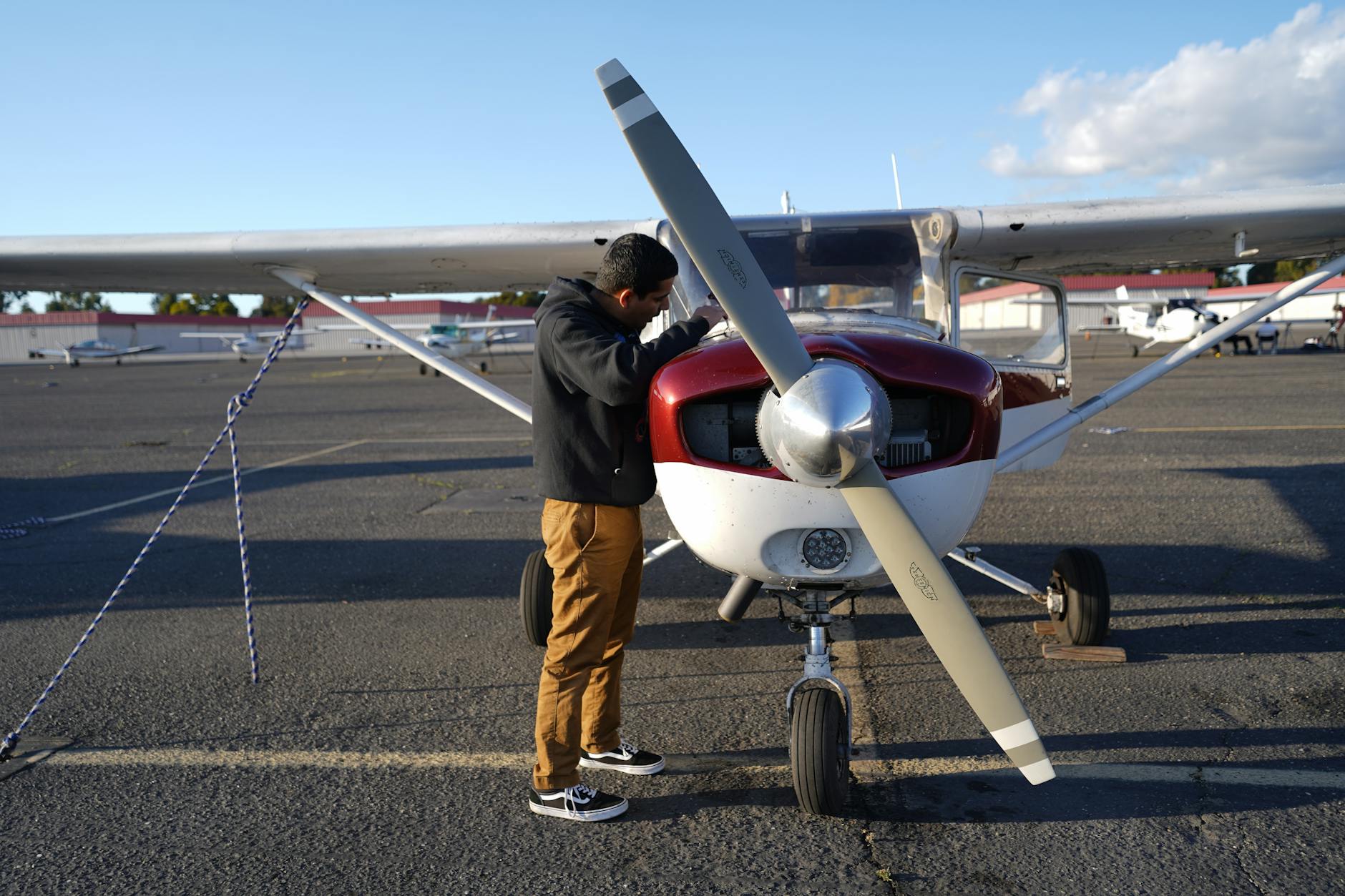
1. Certified Flight Instructor (CFI)
This is by far the most common and efficient path to building hours.
Why it’s ideal:
- You get paid to fly every day
- Gain PIC time, which is crucial for your logbook
- Opportunity to refine your aeronautical knowledge
- Log valuable day and night VFR and IFR hours
Most CFIs go on to get additional ratings:
- CFII (Certified Flight Instructor – Instrument): Allows you to teach instrument students
- MEI (Multi-Engine Instructor): Lets you log multi-engine time
Flight time potential:
- 60–100+ hours/month is realistic for full-time instructors
Salary:
- $30,000–$60,000/year to start
- Potentially higher at high-volume schools or colleges
2. Aerial Survey Pilot
Aerial survey companies hire commercial pilots to fly long, straight routes over land for mapping, LiDAR, or data collection.
Why it’s great for time building:
- Long flights = high loggable hours per day
- Often operated under VFR and IFR conditions
- Travel nationwide and sometimes internationally
Requirements:
- Usually 250–400 hours to start
- Willingness to be away from home for weeks at a time
Flight time potential:
- 80–120 hours/month during peak season
Salary:
- $40,000–$60,000/year plus per diem and travel reimbursements
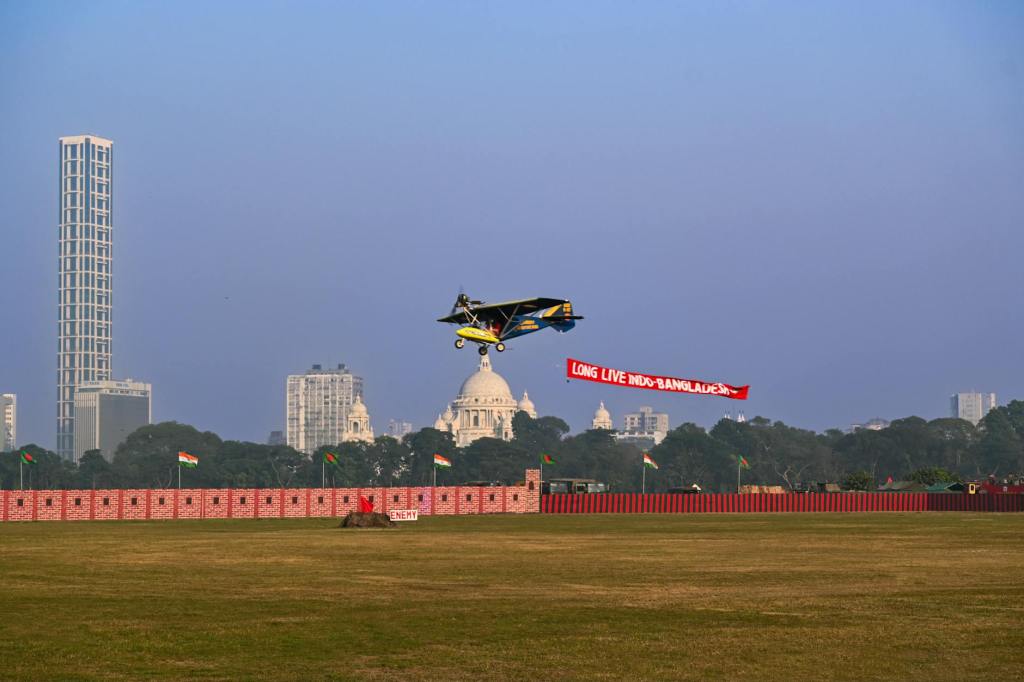
3. Banner Tow Pilot
Towing advertising banners is a unique way to rack up flight hours, especially for newer commercial pilots.
Why it builds hours fast:
- Frequent takeoffs and landings
- Extended flying during daylight in high-traffic areas
- Solo PIC time in simple aircraft
Requirements:
- Tailwheel endorsement often needed
- Strong stick-and-rudder skills
- FAA low-altitude waiver training
Flight time potential:
- 30–60 hours/week during spring/summer seasons
Salary:
- $15–$40/hour, often seasonal
- Can earn $15,000–$30,000+ per season
4. Skydiving Jump Pilot
Jump pilots fly aircraft that drop skydivers at altitude, then descend quickly and do it all again—over and over.
Why it’s effective for time-building:
- Fast cycles = high takeoff and landing counts
- 100% PIC time
- Fly high-performance single- and multi-engine aircraft
Aircraft examples:
- Cessna 182, 206, 208 (Caravan)
- Twin Otter
- King Air (at large drop zones)
Flight time potential:
- 30–100 hours/month depending on jump volume
Salary:
- $25–$40/hour or per load
- Often seasonal (spring–fall)
5. Pipeline or Powerline Patrol Pilot
Utility companies use pilots to inspect infrastructure from the air. Flights are typically conducted low and slow, covering hundreds of miles.
Time-building benefits:
- Long solo flights = consistent PIC time
- Often daily flights over fixed routes
- Develops attention to detail and judgment
Requirements:
- Commercial certificate and low-level flying experience
- Strong situational awareness and navigation skills
Flight time potential:
- 60–100 hours/month
Salary:
- $45,000–$70,000/year plus vehicle and housing support
6. Aerial Tour Pilot
Tour companies in scenic areas (Hawaii, Alaska, national parks) hire pilots to fly tourists in small aircraft.
Why it’s good for hour-building:
- Frequent short flights all day
- Build cross-country, VFR, and sometimes IFR time
- Constant PIC flying in dynamic airspace
Requirements:
- 250+ hours, second-class medical
- Strong communication skills
Flight time potential:
- 60–100+ hours/month during peak season
Salary:
- $40,000–$70,000/year plus tips and seasonal bonuses
7. Part 135 Charter Pilot (Entry-Level)
Charter companies operate smaller aircraft under Part 135 and often hire pilots with under 1,000 hours.
Time-building value:
- Real-world IFR flying
- Experience with passengers and operations
- Logging cross-country and turbine time (if applicable)
Typical aircraft:
- Cessna Caravan
- Piper Navajo
- Pilatus PC-12
Requirements:
- 500–1,200 hours (varies by company)
- Instrument proficiency and commercial certificate
Flight time potential:
- 60–90+ hours/month
Salary:
- $45,000–$85,000/year with benefits
8. Ferry Pilot
Ferry pilots move aircraft from point A to point B—either new deliveries, sales, or maintenance relocation.
Time-building perks:
- Gain cross-country hours
- Fly many different aircraft types
- Solo PIC time in unfamiliar environments
Challenges:
- Requires strong planning and risk management
- May need experience with complex, high-performance aircraft
Flight time potential:
- Depends on availability of ferry contracts
- 10–50 hours/month depending on trip volume
Salary:
- $300–$1,000+ per delivery, or paid per flight hour

9. Cargo Pilot (Feeder Operations)
Cargo feeder airlines deliver parcels for UPS, FedEx, Amazon, and other carriers—especially in rural and underserved areas.
Why it’s valuable:
- Fly in all weather conditions
- Get early turbine and IFR time
- Often fly on a fixed schedule (ideal for consistency)
Typical aircraft:
- Cessna 208 Caravan
- Piper Chieftain
- Beechcraft 99
Requirements:
- 500–1,200 hours
- Commercial certificate and IFR currency
Flight time potential:
- 60–100+ hours/month
Salary:
- $50,000–$90,000/year, some benefits included
What to Look for in a Time-Building Job
When choosing a time-building job, keep these criteria in mind:
✔ PIC Time
Airlines highly value pilot-in-command (PIC) time. Jobs that let you log PIC hours—especially in complex or cross-country flights—are more valuable.
✔ Cross-Country and Instrument Experience
Make sure your logbook includes cross-country, night, and IFR experience, as these are part of the ATP hour requirements.
✔ Consistent Flying Schedule
Jobs that offer regular flying (as opposed to seasonal or sporadic work) will help you build hours faster and more predictably.
✔ Exposure to Real-World Operations
Flying in controlled airspace, operating in different weather conditions, and interacting with dispatch and maintenance teams will better prepare you for airline life.
Bonus: How Long Does It Take to Reach 1,500 Hours?
Here’s an approximate breakdown based on full-time work:
| Job Type | Avg Monthly Hours | Time to 1,500 hrs |
|---|---|---|
| CFI (full-time) | 80–100 | 15–18 months |
| Aerial Survey | 90–100 | 15–18 months |
| Skydiving Pilot | 70–90 (seasonal) | 2–3 years |
| Banner Towing | 60–80 (seasonal) | 2–3 years |
| Charter/Cargo (135) | 80–100 | 1–1.5 years |
If you combine multiple jobs (e.g., instructing in winter and towing banners in summer), you may reach 1,500 hours even faster.
Summary: Your Commercial Certificate Is Just the Beginning
The journey from Commercial Pilot to Airline Transport Pilot is one of the most exciting phases in aviation. The key to success is choosing the right jobs that pay you to fly while maximizing your logbook value.
Whether you’re instructing students, flying tourists, hauling cargo, or surveying land, every flight hour gets you closer to your goal. Stay disciplined, log smart, and build a strong foundation of experience. The airlines are hiring—and they need well-rounded, time-qualified pilots now more than ever.
Disclaimer:
Some links may be affiliate links. If you purchase or apply through these, we may earn a small commission—at no extra cost to you. This helps support our free aviation content.



 Aerolim Aviation
Leave a comment