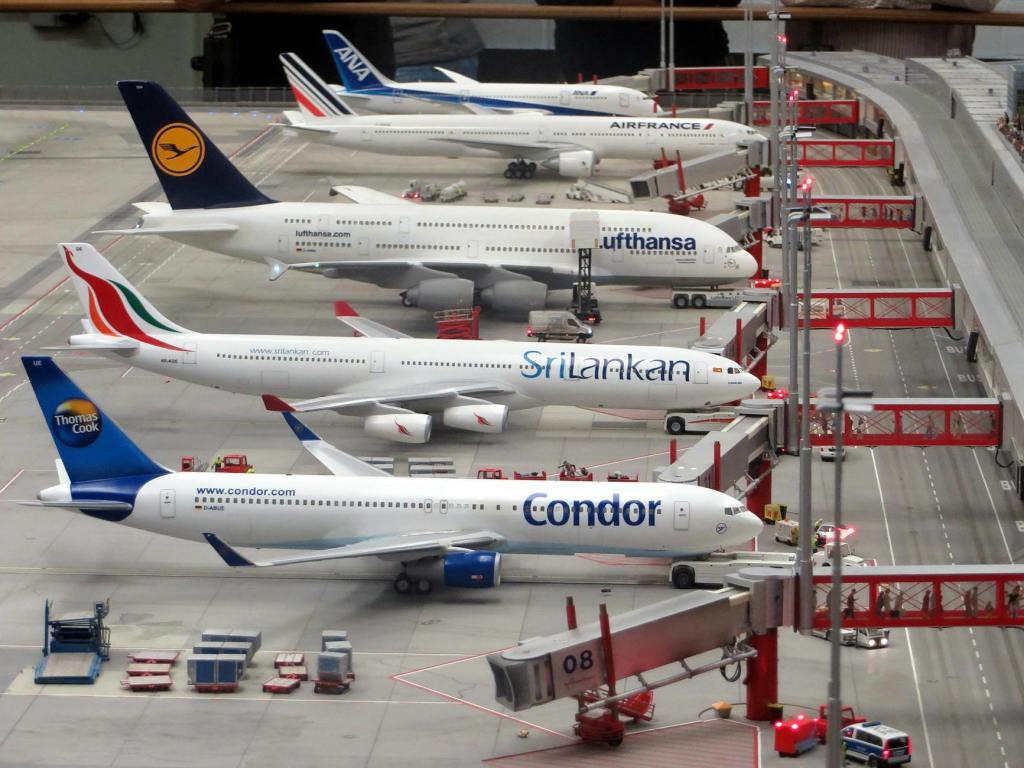
In the past decade, the aviation industry has undergone significant transformation. From technological advances to the resurgence of global travel after the COVID-19 pandemic, one issue has persisted—and in many ways worsened: the global pilot shortage. Headlines from major airlines to regional carriers continue to echo the same concern—there simply aren’t enough pilots to meet demand. But what’s behind this shortage? Is it a temporary hiccup or a long-term challenge? And more importantly, is it still worth becoming a pilot in 2025 and beyond?
Let’s dive into the facts, causes, and future outlook of the pilot shortage to understand the state of the industry—and what it means for aspiring aviators.
A Snapshot of the Pilot Shortage in 2025
The pilot shortage is not a new problem, but recent years have intensified the situation. According to reports from Boeing and the International Air Transport Association (IATA), the aviation industry is short tens of thousands of pilots globally—and the gap is growing. Boeing’s 2023 Pilot and Technician Outlook forecasted a demand for over 649,000 new pilots worldwide over the next 20 years. North America alone is expected to require more than 130,000 pilots during that period.
The problem isn’t just future-based—airlines are already feeling the pressure today. Major U.S. carriers have had to reduce regional routes, cancel flights, and in some cases, offer hefty sign-on bonuses to lure qualified pilots. At the same time, flight schools and training pipelines are struggling to keep up with demand, creating a bottleneck that slows the flow of new aviators.
The Perfect Storm: What’s Causing the Shortage?
Several factors have converged to create what many are calling a “perfect storm” for pilot supply. Understanding these elements is key to grasping why the shortage is so severe—and why it may persist for years.
1. Mass Retirements
The Federal Aviation Administration (FAA) mandates a mandatory retirement age of 65 for airline pilots. A large portion of the current workforce is approaching or has already reached that age. Baby Boomer pilots—many of whom delayed retirement during the pandemic—are now exiting the workforce in large numbers.
2. Training Bottlenecks
Becoming a pilot is neither fast nor cheap. In the U.S., an individual must accumulate 1,500 flight hours to be eligible for an Airline Transport Pilot (ATP) certificate, which is a significant time and financial investment. With flight training costs ranging from $80,000 to $120,000, many aspiring pilots are either deterred by the price or unable to secure financing.
Flight schools are also limited in resources. There’s a finite number of instructors, aircraft, and simulators. Some schools have waiting lists that delay training by months.
3. COVID-19 Fallout
The COVID-19 pandemic had a double-edged effect. Airlines furloughed or encouraged early retirement for thousands of pilots to reduce costs. When travel demand surged back faster than expected in 2021–2022, airlines found themselves scrambling to rehire and retrain crews.
However, some of those pilots never returned to the cockpit, having moved on to other careers or fully retired. The result was a reduced experienced workforce just as demand bounced back.
4. Regional Airline Struggles
Regional airlines, which typically act as the first stepping stone for new commercial pilots, are bearing the brunt of the shortage. These smaller carriers offer lower pay and less favorable schedules, making them less attractive in a highly competitive job market.
With major airlines poaching regional captains and first officers, regional carriers are often left short-staffed, which leads to canceled flights, reduced service, and longer delays.
5. Global Demand Growth
It’s not just a U.S. issue. Emerging markets—particularly in Asia-Pacific, Africa, and the Middle East—are seeing explosive growth in air travel. As air travel becomes more accessible to a global middle class, airlines in these regions are placing record orders for new aircraft. But new aircraft need pilots to fly them.
The Economic Impact: How the Shortage Affects Airlines and Passengers
The pilot shortage isn’t just an HR issue—it has far-reaching economic consequences:
- Higher ticket prices: With fewer pilots available, airlines are reducing flight frequency. Lower supply and consistent demand naturally drive up prices.
- Flight cancellations and route cuts: Regional airports have lost service to key cities because airlines lack the crew to operate those flights.
- Operational inefficiencies: Delays, rescheduling, and maintenance complications are exacerbated by a lack of crew redundancy.
Airlines are responding by offering incentives such as:
- Sign-on bonuses up to $100,000
- Accelerated upgrade times from first officer to captain
- Pathway programs to guarantee interviews or conditional job offers to student pilots
Is It Still Worth Becoming a Pilot?
Given the current environment, many people are asking: Is it worth it to become a pilot in 2025?
Let’s evaluate the pros and cons.
✅ Pros
1. Strong Job Security
With pilot demand far outpacing supply, job security is at an all-time high. Airline hiring projections for the next 10–20 years are solid, and qualified pilots are unlikely to remain unemployed.
2. Attractive Compensation
Pilot salaries have risen significantly. As of 2025:
- Regional first officers start at $60,000–$90,000/year
- Regional captains may earn $120,000–$170,000/year
- Major airline captains earn $250,000+, with some nearing $400,000/year
In addition, pilots enjoy per diem, retirement benefits, and travel perks.
3. Fast Career Progression
With such high demand, new pilots are moving up the ranks faster. What used to take 5–7 years—such as moving from regional to major airlines—may now take just 2–4 years.
4. A Passionate Career
For many, flying is more than a job—it’s a calling. Few careers offer the same blend of adventure, prestige, and challenge.
❌ Cons
1. High Cost of Entry
The cost of training remains a significant hurdle. Financing options exist, but student pilots must be prepared for a serious financial commitment.
2. Demanding Lifestyle
While pay and perks are improving, pilot life still involves irregular schedules, time away from home, and high responsibility.
3. Long Path to Major Airlines
Even in today’s hiring boom, it takes time to build the hours and experience needed for top-tier airline positions.
Solutions and Industry Responses
To address the shortage, the aviation industry is exploring several strategies:
1. Pathway and Cadet Programs
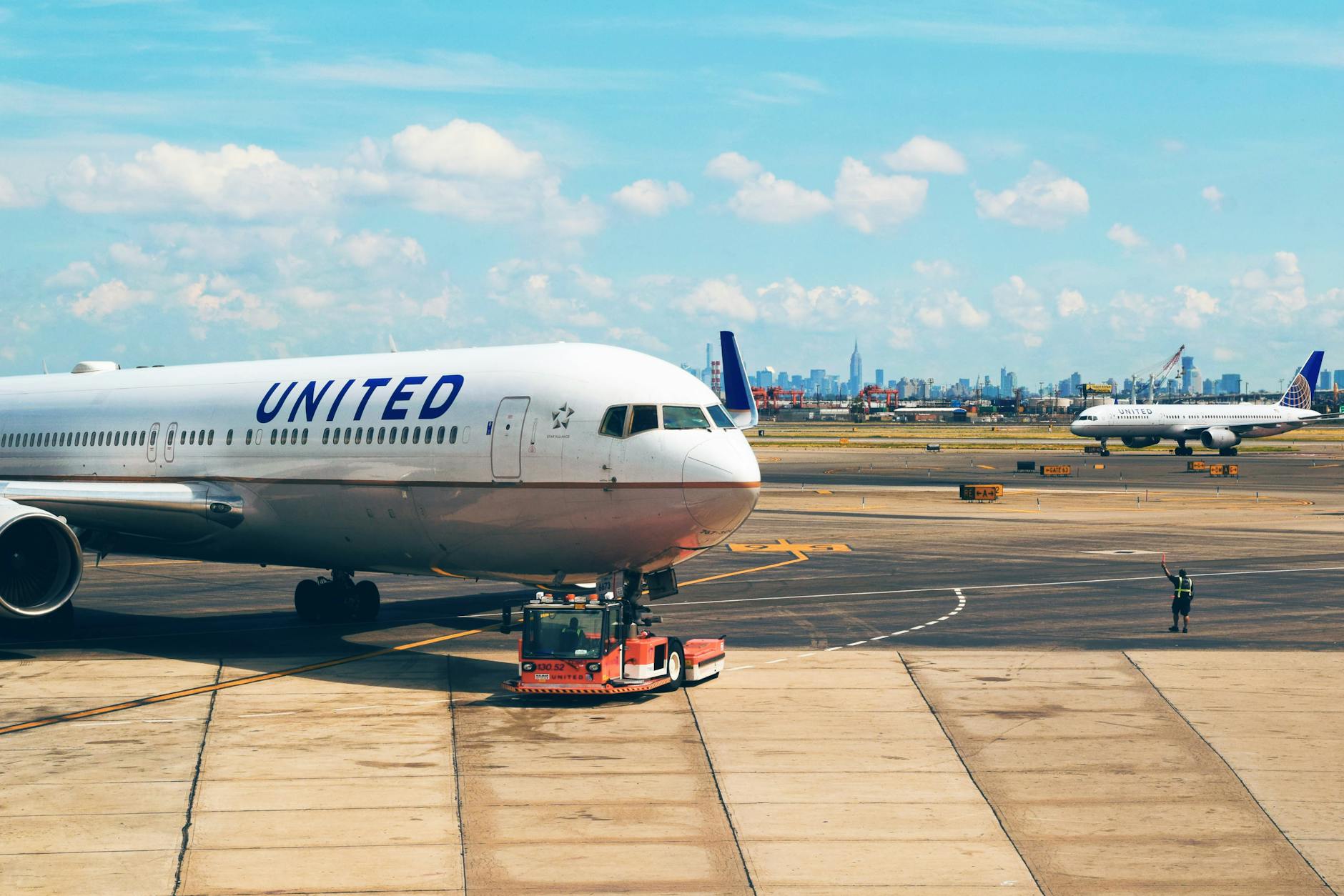
Airlines like United Airlines (Aviate) and American Airlines (Cadet Academy) now offer structured pathways from flight school to airline cockpit. These programs often include financing options and guaranteed interviews.
2. Increased Training Capacity
Flight schools are expanding operations, ordering new aircraft, and hiring more instructors. University programs are also growing—many of them Part 141 FAA-approved for more efficient training pipelines.
3. Technology and Simulation
Advanced flight simulators and AI-based training tools are being used to accelerate learning while maintaining safety standards.
4. Policy Reforms (Under Debate)
Some policymakers and airlines have proposed reducing the 1,500-hour rule (which only exists in the U.S.), arguing that quality should matter more than quantity of hours. While this is highly controversial, especially regarding safety, it’s part of the ongoing debate.
The Long-Term Outlook
According to Boeing and Airbus forecasts, global passenger traffic is expected to double by 2040, and airlines will need hundreds of thousands of new pilots to meet demand. Even with a focus on automation and technological innovation, human pilots will remain critical for the foreseeable future.
In the long term, automation may assist—but not replace—pilots. Concepts like single-pilot commercial aircraft or AI-assisted cockpits are still years, if not decades, from implementation, especially in passenger aviation where safety and public trust are paramount.
Final Thoughts: The Shortage Is Real—And So Is the Opportunity
The pilot shortage is both a crisis and an opportunity. For airlines and passengers, it presents logistical and economic challenges. For aspiring pilots, however, it opens the door to one of the most secure and lucrative aviation job markets in history.
If you’ve ever dreamed of becoming a pilot, there’s never been a better time to pursue it. Yes, it requires dedication, financial investment, and rigorous training. But the rewards—both tangible and intangible—are significant.
Whether you’re a high school student researching your future, a career changer looking for a fresh path, or a veteran pilot eyeing new opportunities, the skies are wide open.
Disclaimer:
Some links or programs mentioned may include affiliate partners. If you use one, we may earn a small commission at no cost to you. This helps support future aviation content.




 Aerolim Aviation
Leave a comment