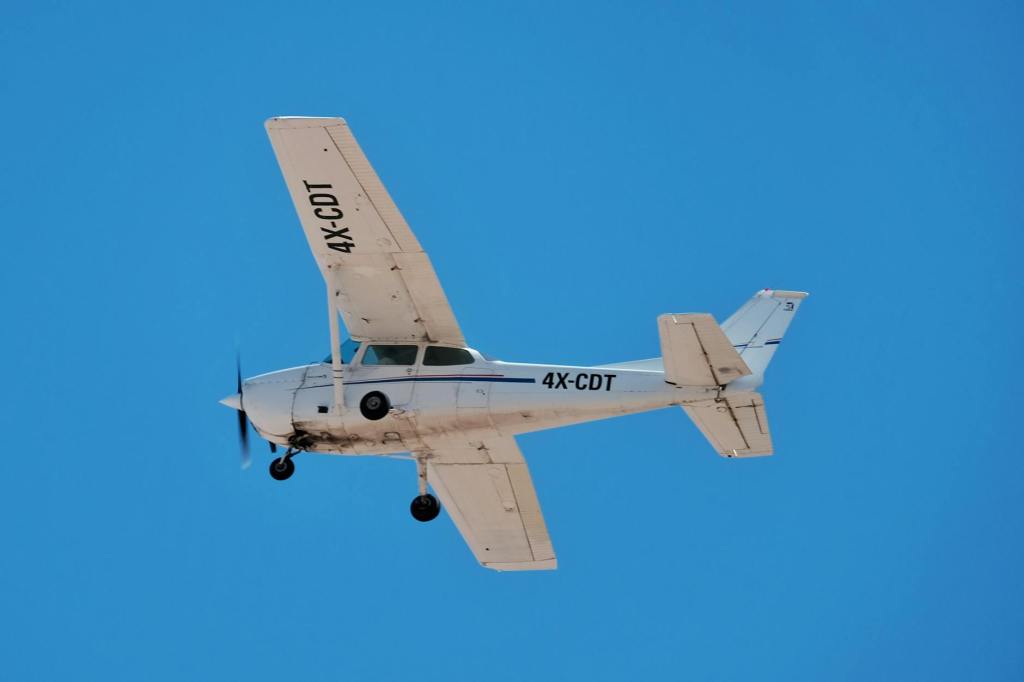
Learning to fly is one of the most rewarding journeys a person can take—but it’s not easy. For student pilots training for their Private Pilot Certificate (PPL), the path is filled with new skills, technical knowledge, personal discipline, and the occasional setback. Many students begin flight training excited and optimistic, only to be surprised by how demanding, complex, and emotional the process can be.
This blog post dives deep into the most difficult challenges faced by private pilot students and provides guidance for navigating each one. Whether you’re already in training or thinking about starting, understanding these hurdles can help you prepare, persist, and ultimately earn your wings.
1. The Steep Learning Curve of Aeronautical Knowledge
Challenge:
Becoming a private pilot isn’t just about learning to fly an airplane—it also requires mastering a wide range of technical subjects. Students must understand airspace classifications, aerodynamics, weather theory, FAA regulations (FARs), aircraft systems, and navigation. This is often the first time students encounter such technical content.
Many find themselves overwhelmed by the pace and depth of the ground school curriculum. It’s common to struggle with memorizing V-speeds, interpreting METARs and TAFs, understanding weight and balance, or calculating performance data.
How to Overcome It:
- Use multiple study methods: Don’t rely solely on books. Use online courses, flashcards, YouTube tutorials, and aviation apps like Sporty’s, King Schools, or ASA.
- Study consistently: A little bit each day is better than cramming.
- Work with your instructor: Ask for clarification when topics don’t make sense.
- Join a study group: Learning with others keeps you motivated and accountable.
2. The Cost of Flight Training
Challenge:
Flight training in the U.S. typically costs between $10,000 to $18,000 depending on location, aircraft, flight school type (Part 61 or 141), and frequency of lessons. For many students, this is a significant financial burden—and unexpected expenses (like failed checkrides, delays, or repeating lessons) can drive the price higher.
Worrying about money adds stress, especially if students have to pause training due to financial strain, which can cause skills to deteriorate and prolong the process.
How to Overcome It:
- Plan your finances ahead: Break down your expected training costs and create a budget.
- Fly frequently: More frequent lessons reduce long-term costs by minimizing review time.
- Look for scholarships: Many aviation organizations offer financial aid for student pilots (e.g., AOPA, EAA, Women in Aviation).
- Avoid long breaks: The longer you go between lessons, the more money you’ll spend on relearning.
3. Weather and Scheduling Delays
Challenge:
Flight training is heavily affected by weather. A beautiful day on the ground doesn’t guarantee good conditions in the air. Low ceilings, visibility, wind, or thunderstorms can lead to frequent cancellations—especially for student pilots still restricted to VFR (Visual Flight Rules).
Add to that instructor availability, aircraft maintenance issues, or student work/school schedules, and it becomes clear why flight training often takes longer than expected.
How to Overcome It:
- Be flexible: Have alternate days and times available for rescheduling.
- Use downtime wisely: Bad weather? Study for the knowledge test, chair-fly maneuvers, or practice radio calls.
- Schedule early: Book instructors and aircraft as far in advance as possible.
- Consider a full-time program: If your schedule allows, immersive programs help students finish faster and with fewer disruptions.
4. Learning to Talk on the Radio
Challenge:
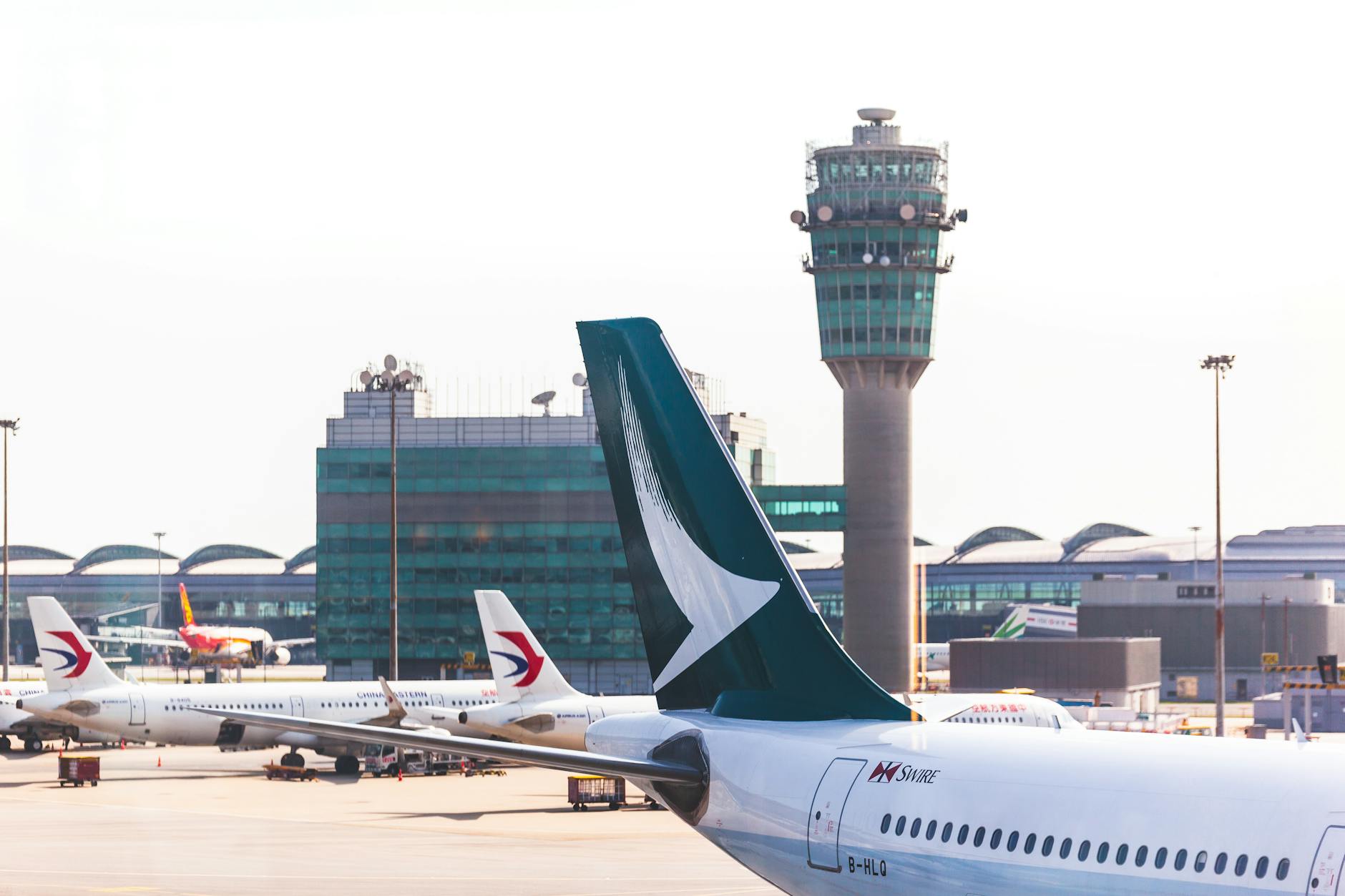
Aviation radio communication is intimidating for many beginners. The fast pace, abbreviations, and unfamiliar jargon can cause anxiety and confusion. Students often fear saying the wrong thing or freezing up when talking to Air Traffic Control (ATC).
It’s one of the most underestimated challenges of flight training, especially for those learning at busy towered airports.
How to Overcome It:
- Listen to LiveATC.net: Hearing real-world examples helps build familiarity.
- Practice with a script: Write out common radio calls and rehearse them aloud.
- Chair-fly your flights: Practice verbalizing ATC exchanges during your preflight planning.
- Ask your instructor to role-play: Simulating ATC in the cockpit builds confidence.
5. Mastering Landings
Challenge:
Ask any pilot what the hardest skill to master was—and most will say landings. It’s where everything comes together: airspeed control, descent planning, wind correction, sight picture, flare timing, and more. No two landings are ever exactly the same, which means repetition is key.
For many students, landings can feel inconsistent for weeks. Getting too low, ballooning during the flare, or bouncing on touchdown are common frustrations.
How to Overcome It:
- Fly frequently: Repetition builds muscle memory and feel.
- Use video or feedback: Some instructors record landings for debriefing.
- Don’t overthink: Focus on simple goals—airspeed, glide path, and aiming point.
- Stay patient: It clicks for everyone at a different point in training.
6. Fear and Anxiety
Challenge:
Flying can trigger nerves—even in people who aren’t afraid of heights. Some students deal with fear of stalls, engine failures, turbulence, or simply the unknown. Others experience performance anxiety during checkrides or solo flights.
This emotional side of training is real and powerful. Fear can cause students to second-guess themselves or even quit.
How to Overcome It:
- Talk to your instructor: A good CFI will help you manage and understand your fears.
- Take it one step at a time: You don’t need to conquer everything in one flight.
- Simulate worst-case scenarios: Training for emergencies reduces fear of them.
- Practice relaxation techniques: Deep breathing, positive visualization, and mental rehearsal go a long way.
7. The First Solo Flight
Challenge:
The moment you fly the airplane alone for the first time is thrilling—but nerve-wracking. For many students, fear of messing up or forgetting something weighs heavily.
Soloing requires confidence in your abilities, precise execution, and trust in your instructor’s judgment.
How to Overcome It:
- Review your procedures thoroughly: Be over-prepared.
- Trust the training: If your instructor endorses you, you’re ready.
- Keep it simple: Focus only on the task at hand—pattern work and landings.
- Celebrate afterward: It’s a huge achievement and a turning point in your training.
8. The Knowledge Test (Written Exam)
Challenge:
Many students delay taking the FAA Private Pilot Knowledge Test (the “written”) because of nerves or lack of study. Procrastinating can cause added pressure, especially if it interferes with flight training progress or checkride eligibility.
The 60-question, multiple-choice exam covers weather, aerodynamics, regulations, aircraft systems, and more.
How to Overcome It:
- Start studying early: Even before your first flight lesson.
- Take practice tests: Use FAA question banks or apps like Sheppard Air or Gleim.
- Enroll in a ground school: Whether in-person or online, structured learning helps.
- Schedule the test once you’re consistently scoring above 85%.
9. Checkride Pressure
Challenge:
The checkride—the final FAA practical test with a Designated Pilot Examiner (DPE)—is a major milestone. But the stress of being evaluated causes many students to underperform. Even well-prepared students can struggle with nerves, memory lapses, or decision-making errors during the oral or flight portion.
The checkride isn’t just a test of knowledge and skills—it’s a test of composure.
How to Overcome It:
- Do a mock checkride: Simulate the experience with your instructor or another CFI.
- Know the ACS: The Airman Certification Standards guide everything you’ll be tested on.
- Rest before the ride: Don’t cram or exhaust yourself the night before.
- Focus on progress, not perfection: The DPE wants to see you’re safe and competent—not flawless.
10. Time Management
Challenge:
Balancing flight training with school, work, and family life is difficult. Training takes commitment and consistency, and long breaks between lessons can slow progress or increase costs.
Students who train once a week or less often find it hard to build momentum and retain skills.
How to Overcome It:
- Block your calendar: Make training a non-negotiable part of your week.
- Communicate with your support network: Make sure family or employers understand your time needs.
- Choose a program that fits your schedule: Accelerated programs are great for some, but not everyone.
- Track your progress: Keep a log of each lesson’s goals and review items.
Conclusion: Embrace the Journey
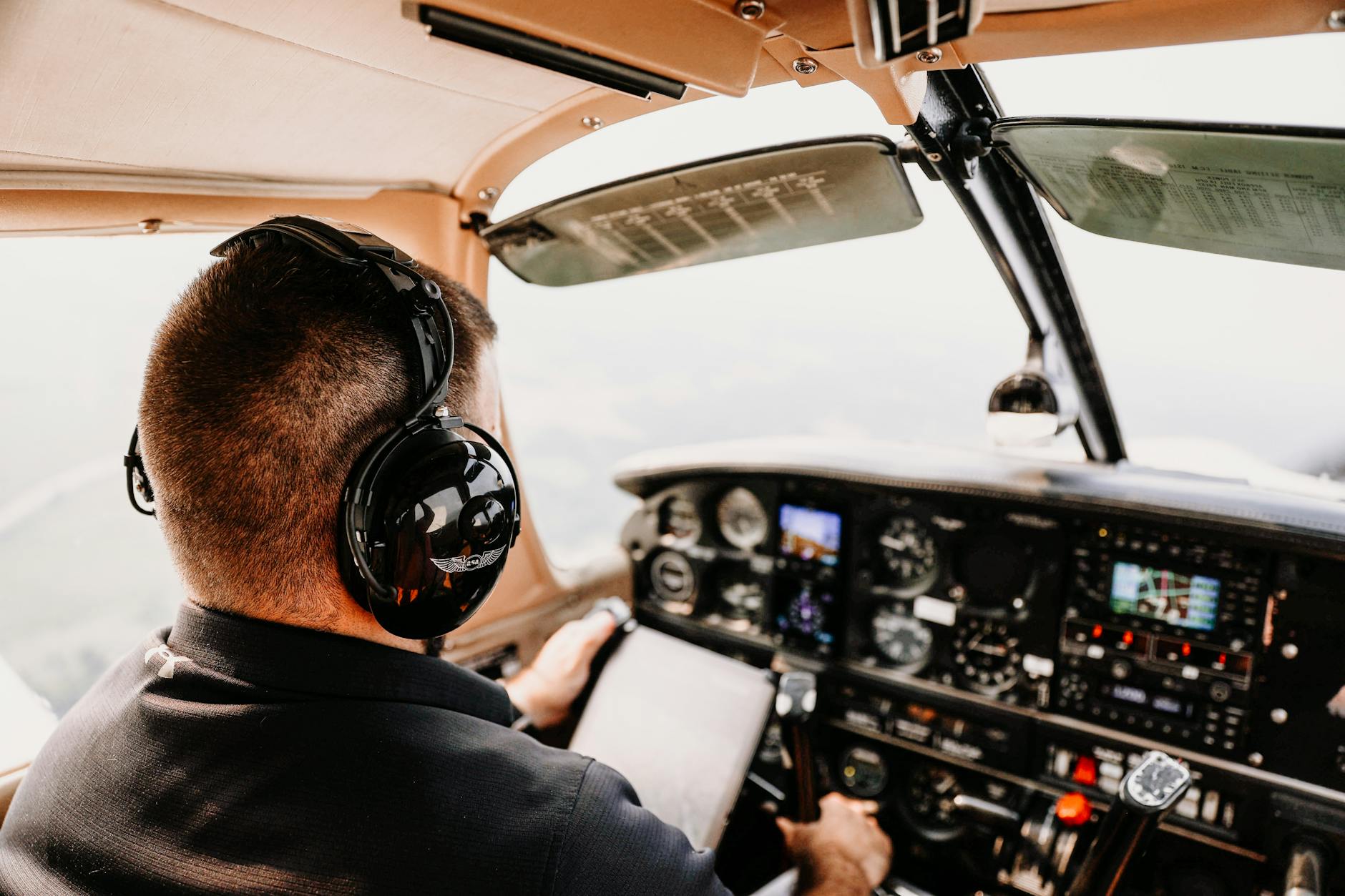
Flight training is not supposed to be easy—because becoming a pilot is a big responsibility. The Private Pilot Certificate is the first major step in an aviator’s journey, and the challenges along the way are what make it so rewarding.
You’ll struggle. You’ll make mistakes. You’ll feel like you’re not improving. And then—suddenly—you’ll have a breakthrough. You’ll fly solo. You’ll navigate across towns and cities. You’ll land smoothly on a windy day. And eventually, you’ll pass your checkride and earn the right to call yourself a pilot.
Every private pilot you meet has faced the same challenges and pushed through. So can you.
Fly often. Stay curious. Ask for help. And never forget why you started.
Have you experienced any of these challenges during your flight training? Share your story in the comments—we’d love to hear what helped you push through.



 Aerolim Aviation
Leave a comment