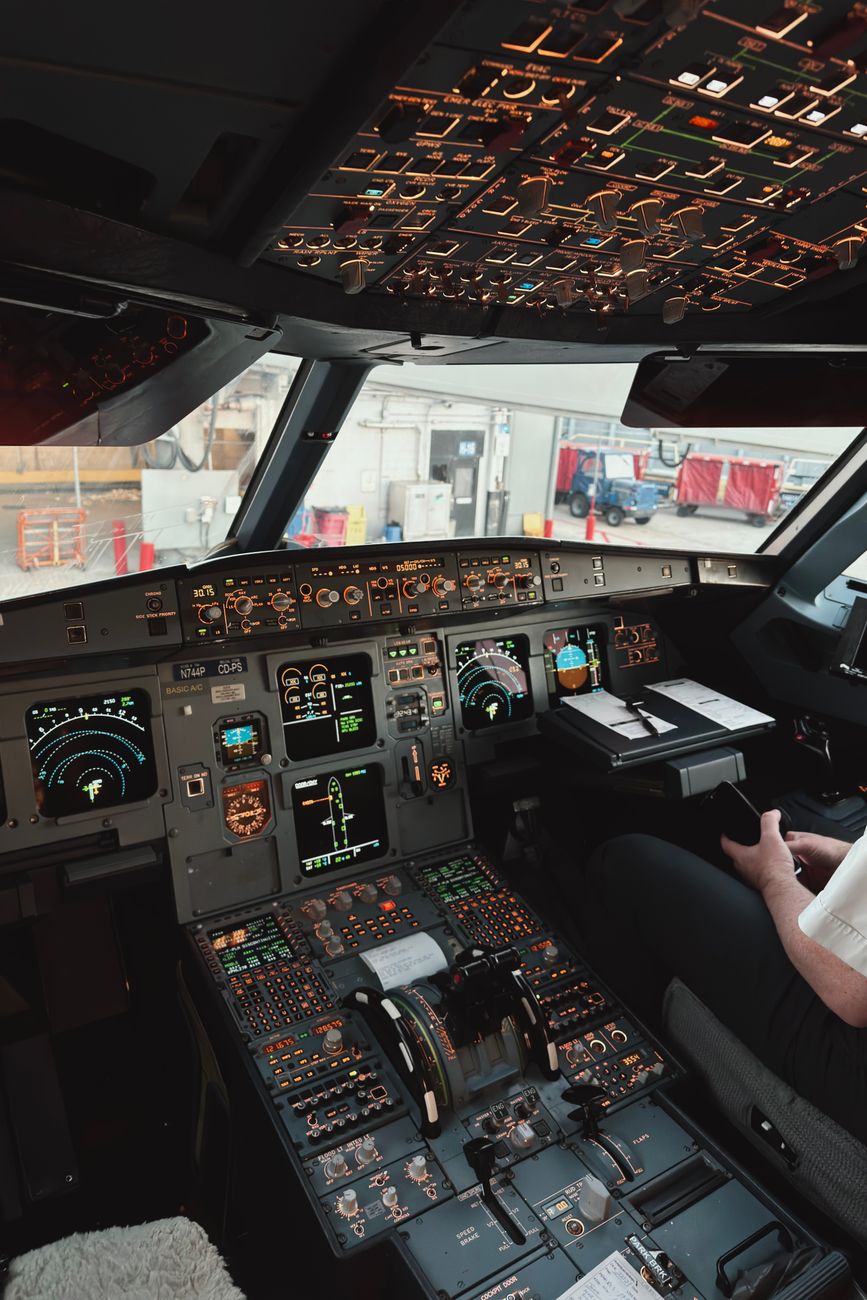
Becoming an airline pilot is one of the most rewarding career paths in aviation, but getting there requires much more than simply learning how to fly an airplane. You will need to earn multiple FAA certificates and ratings, build substantial flight experience, pass written exams and practical tests, and eventually meet the requirements to fly for an airline.
The good news? The path becomes much easier when you understand the process before spending thousands of dollars on training.
This guide focuses specifically on how to become an airline pilot in the United States. There are several types and levels of pilot certificates, including recreational, sport, private, commercial, and airline transport pilot certificates. Rather than covering every possible aviation career, we’ll focus on the traditional pathway from zero flight experience to the airline cockpit.
The Airline Pilot Career Path
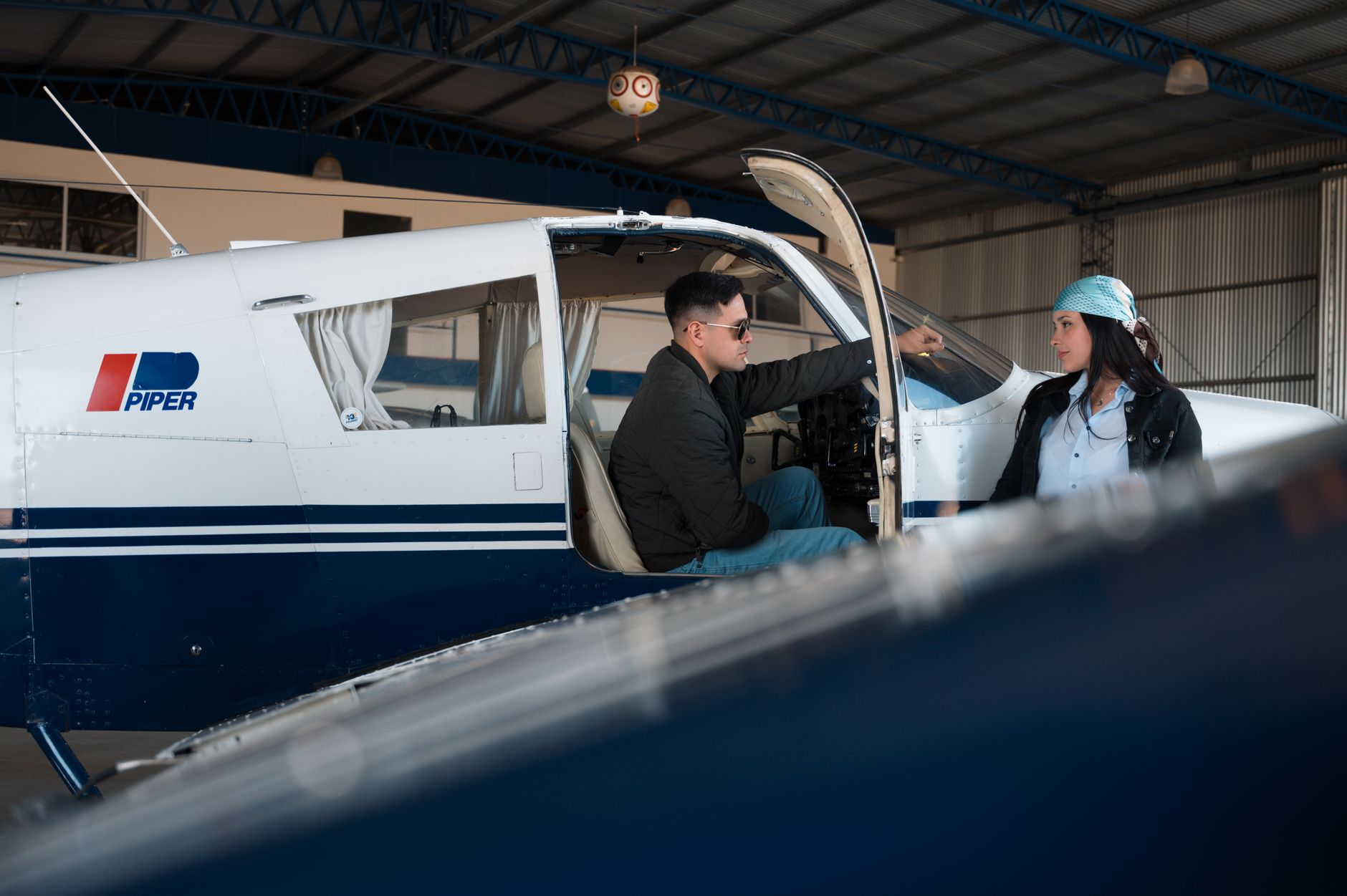
The first thing aspiring pilots should understand is that you don’t simply go from “student pilot” to “airline pilot.” Aviation training is a progression.
A typical airline pilot career path looks something like this:
Student Pilot → Private Pilot → Instrument Rating → Commercial Pilot → Multi-Engine Rating → Certified Flight Instructor → Flight Instructor Instrument → Airline Transport Pilot → Airline First Officer → Airline Captain
The exact order and training strategy can vary, but these are the major milestones most aspiring airline pilots will encounter.
The FAA recognizes several different pilot certificates, and the requirements vary depending on the type of flying you want to do.
For someone whose ultimate goal is an airline cockpit, the important thing is to plan backward from that goal.
Step 1: Get Your Medical Certificate First

Before spending thousands of dollars on flight training, consider getting an FAA medical examination.
For someone pursuing an airline career, a First Class Medical Certificate is generally the smart place to start.
Why do this before training?
Imagine spending $15,000, $30,000, or more on flight training only to discover a medical issue that prevents you from pursuing the career you planned.
Aviation medical certification can involve more than simply having good eyesight. Your medical history, medications, previous conditions, and other factors can matter.
Getting your medical situation figured out early can prevent an expensive surprise later.
Step 2: Earn Your Private Pilot Certificate
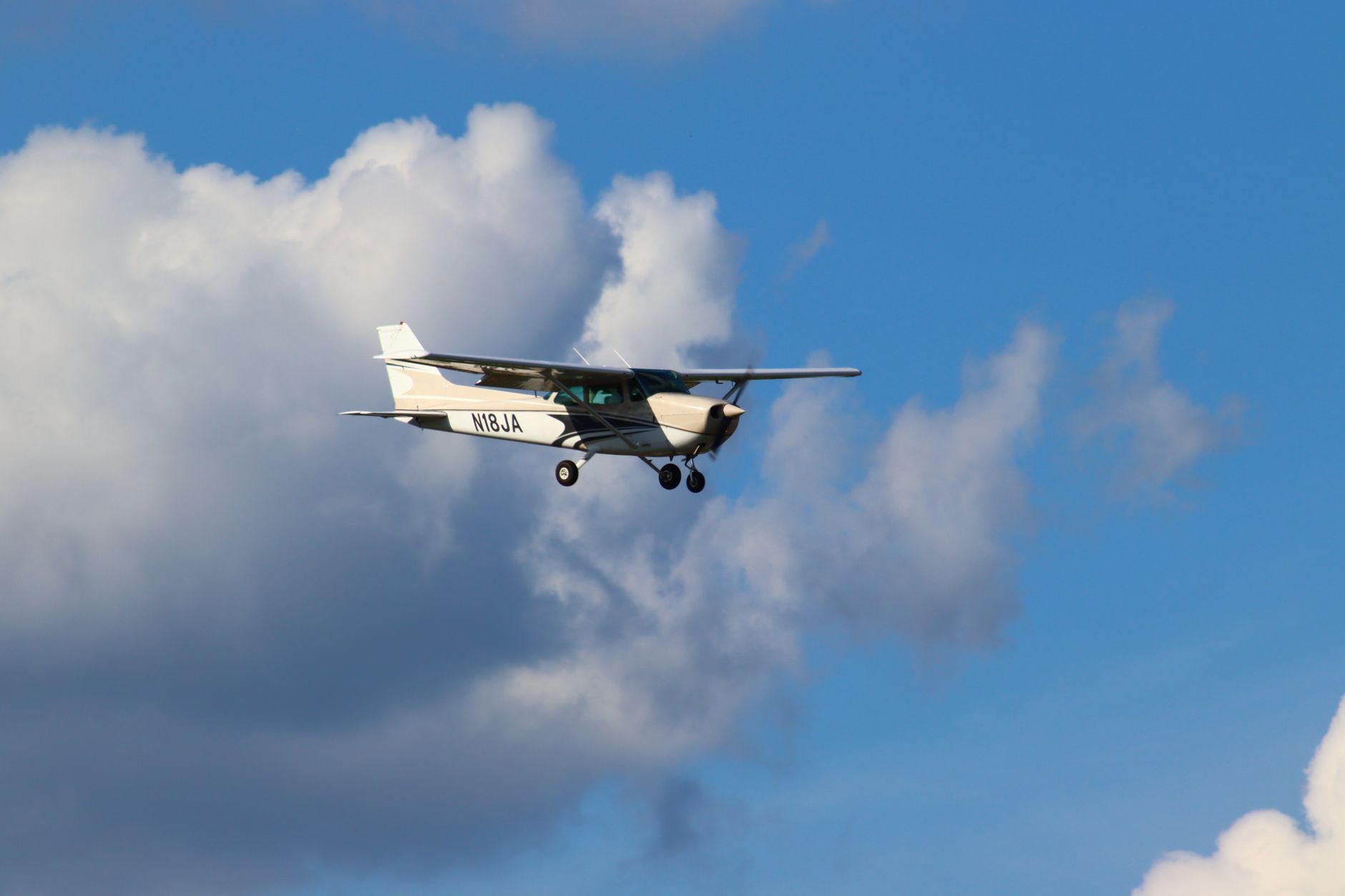
Your first major milestone is the Private Pilot Certificate (PPL).
This is where you learn the fundamentals of flying: takeoffs, landings, navigation, communications, weather, aircraft systems, emergency procedures, and aeronautical decision-making.
The FAA minimum for an airplane private pilot certificate under Part 61 is 40 hours, although many students require more. The FAA notes that the average completion time for pilots without a hearing impairment is approximately 75 hours.
This is an important lesson for new students:
Don’t plan your budget around the minimum number of hours.
If your flight school estimates that you’ll need 50 hours, build your financial plan around having some cushion. Weather, maintenance, instructor availability, aircraft availability, and individual learning speed can all affect your timeline.
You will also take the FAA Private Pilot Knowledge Test and eventually complete your first checkride with a Designated Pilot Examiner (DPE).
This is where resources such as private pilot practice tests become extremely valuable.
Practice tests allow you to identify weak areas before sitting for the actual FAA knowledge exam. They should supplement—not replace—learning the underlying concepts.
Step 3: Add Your Instrument Rating
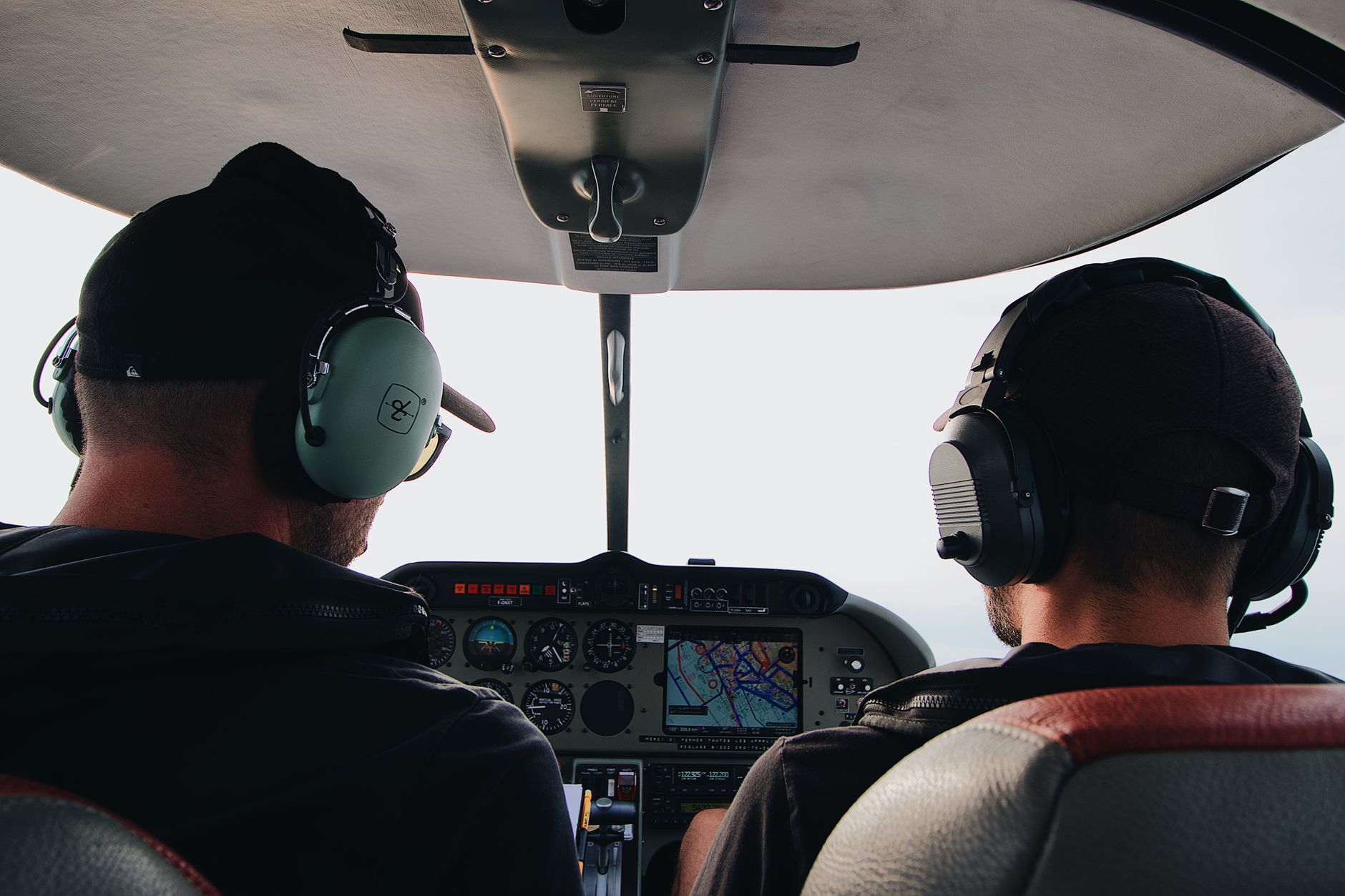
After your private pilot certificate, the next major step toward becoming an airline pilot is your Instrument Rating.
Instrument training teaches you to fly primarily by reference to your instruments rather than relying on outside visual references.
This is one of the most important ratings for an aspiring airline pilot.
You’ll learn about:
- Instrument flight rules
- IFR flight planning
- Instrument approaches
- Holding procedures
- Navigation
- Weather
- Air traffic control procedures
- Instrument departures and arrivals
- IFR regulations
- Human factors and decision-making
The instrument rating also introduces another FAA written exam and checkride.
This is another point where instrument rating practice tests, FAA written test prep, and structured online ground school can make studying much more efficient.
Step 4: Earn Your Commercial Pilot Certificate
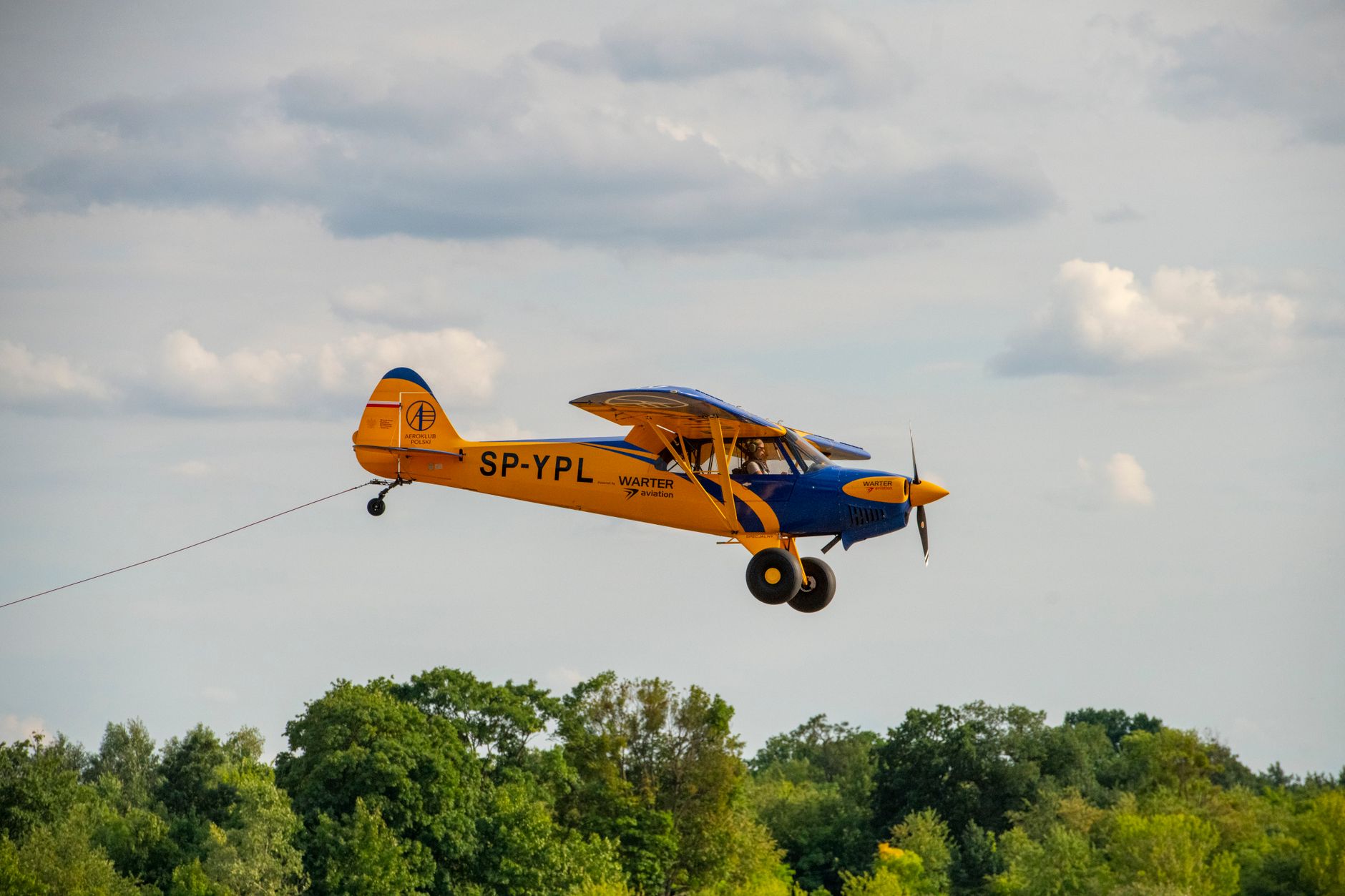
Once you have your private pilot certificate and instrument rating, you’ll work toward your Commercial Pilot Certificate.
The commercial certificate is where flying begins to transition from a hobby into a profession.
The FAA requires 250 hours of total flight time for a commercial pilot certificate under the standard Part 61 pathway, although airline employers typically require substantially more experience than the FAA minimum.
Commercial training focuses heavily on precision flying and professional standards.
You’ll develop more advanced skills such as:
- Commercial maneuvers
- Power-off 180s
- Chandelles
- Lazy eights
- Emergency procedures
- Precision landings
- Cross-country planning
- Advanced aircraft control
- Professional decision-making
You’ll also take another knowledge exam and complete another practical test.
The Best Online Course for FAA Written Exams and Checkrides
One of the biggest challenges throughout flight training isn’t necessarily learning to physically fly the airplane. It’s learning the enormous amount of information required to pass FAA knowledge tests and explain aviation concepts during checkride oral exams.
This is where a quality online ground school can make a huge difference.
Pilot Institute
For aspiring pilots, one of the best online resources I recommend is Pilot Institute.
Pilot Institute offers online courses designed around FAA knowledge exams and pilot training, making it particularly useful for students who want to study at their own pace.
Its courses cover topics including private pilot training, instrument training, commercial pilot training, and other aviation subjects.
Pilot Institute also offers dedicated checkride preparation. Its Checkride Made Easy course includes short instructional videos, checkride scenarios, common mistakes, and a guide to what you should bring to your checkride.
This is especially useful because the checkride isn’t simply a flight.
You have to be prepared for the oral examination as well.
A student might be able to fly a perfect traffic pattern but still struggle if the DPE asks questions about weather minimums, regulations, aircraft systems, aerodynamics, performance, or decision-making.
Pilot Institute can therefore serve as a supplemental resource alongside your flight instructor and official FAA materials.
Don’t Just Memorize the Answers
One of the biggest mistakes students make with FAA written exam preparation is memorizing questions without understanding the material.
Use private pilot practice tests, instrument practice tests, commercial pilot practice tests, and other FAA written test prep resources to identify weaknesses.
Then go back and learn why the correct answer is correct.
Your ultimate goal isn’t simply to score a 90% on a knowledge test.
Your goal is to become the pilot who understands what that information means when you’re actually flying.
Step 5: Get Your Multi-Engine Rating
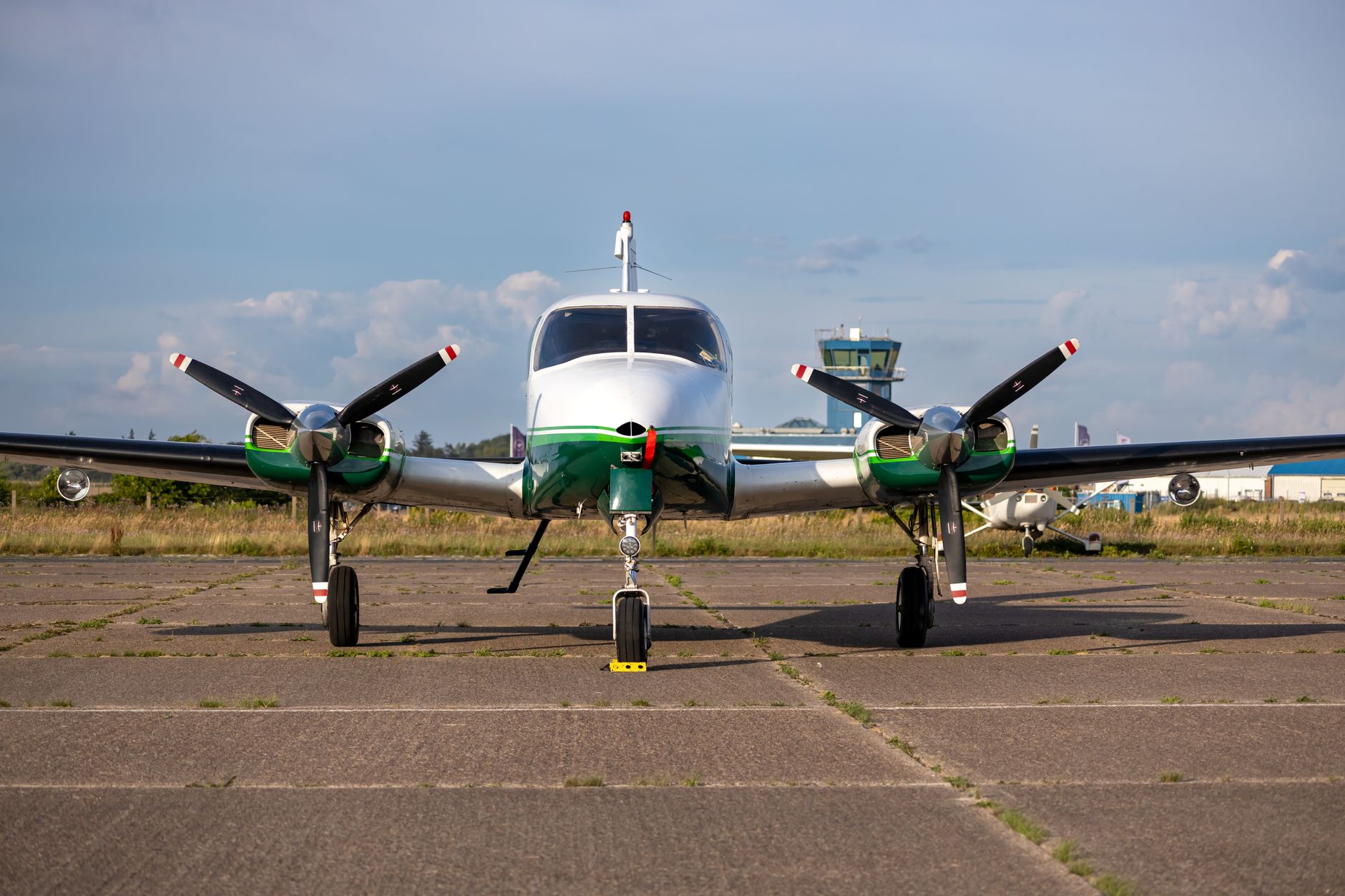
If your ultimate goal is an airline cockpit, you’ll eventually need multi-engine experience.
Airline aircraft have multiple engines, so becoming comfortable with multi-engine operations is essential.
Multi-engine training introduces concepts such as:
- Engine failures
- Single-engine performance
- Vmc
- Multi-engine aerodynamics
- Engine-out procedures
- Asymmetric thrust
- Emergency procedures
The multi-engine checkride is another major milestone.
For many students, this is one of the first times they experience the complexity of operating a more sophisticated aircraft.
Step 6: Build Flight Hours
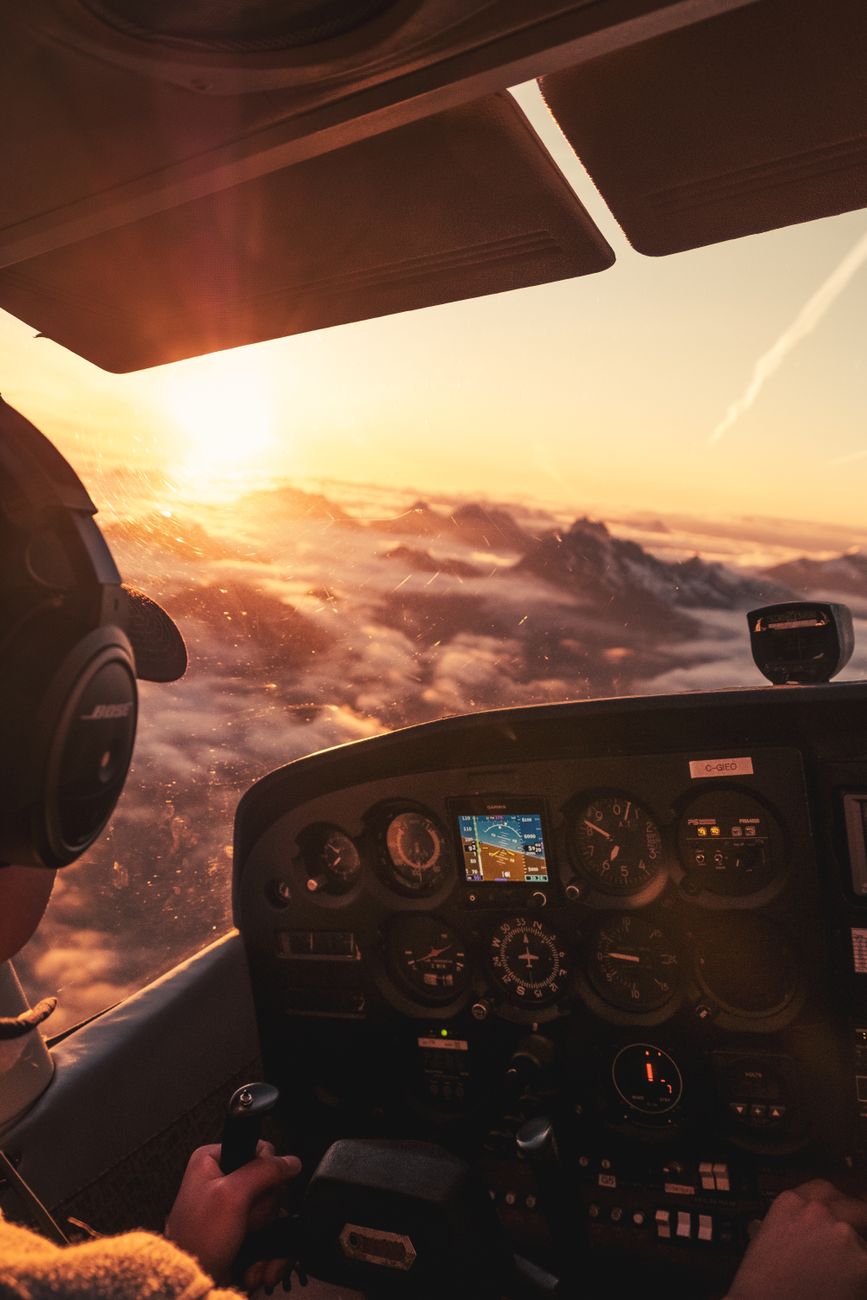
Now comes the part that surprises many new pilots:
You don’t graduate from flight school and immediately become an airline pilot.
You need experience.
The FAA generally requires 1,500 hours of total pilot time for an unrestricted ATP certificate in airplanes, subject to specific regulatory exceptions. The FAA also recognizes restricted ATP pathways for certain graduates of qualifying aviation degree programs.
This is why many aspiring airline pilots become flight instructors.
You can earn your:
- Commercial Pilot Certificate
- Certified Flight Instructor (CFI)
- Certified Flight Instructor–Instrument (CFII)
- Multi-Engine Instructor (MEI)
Then you can build flight time while teaching other students.
This is often referred to as the “time-building” phase of becoming an airline pilot.
Step 7: Reach ATP Requirements and Apply to Airlines
Once you have accumulated the necessary flight experience and meet the applicable ATP requirements, you’ll work toward your Airline Transport Pilot Certificate.
The ATP is the highest level of FAA pilot certification and is the certificate associated with serving as an airline pilot.
For many aspiring airline pilots, this is the culmination of years of training.
But remember: meeting FAA minimums doesn’t necessarily mean every airline will hire you.
Airlines can establish their own hiring standards, and requirements can vary depending on the airline and the aviation job market.
That’s why your goal should be to build a strong overall résumé—not simply hit the minimum numbers.
Pilot Gear: What Do You Actually Need?

You don’t need to purchase every aviation gadget you see on social media.
In fact, buying too much equipment too early is an easy way to waste money.
However, several items are extremely useful.
1. Aviation Headset
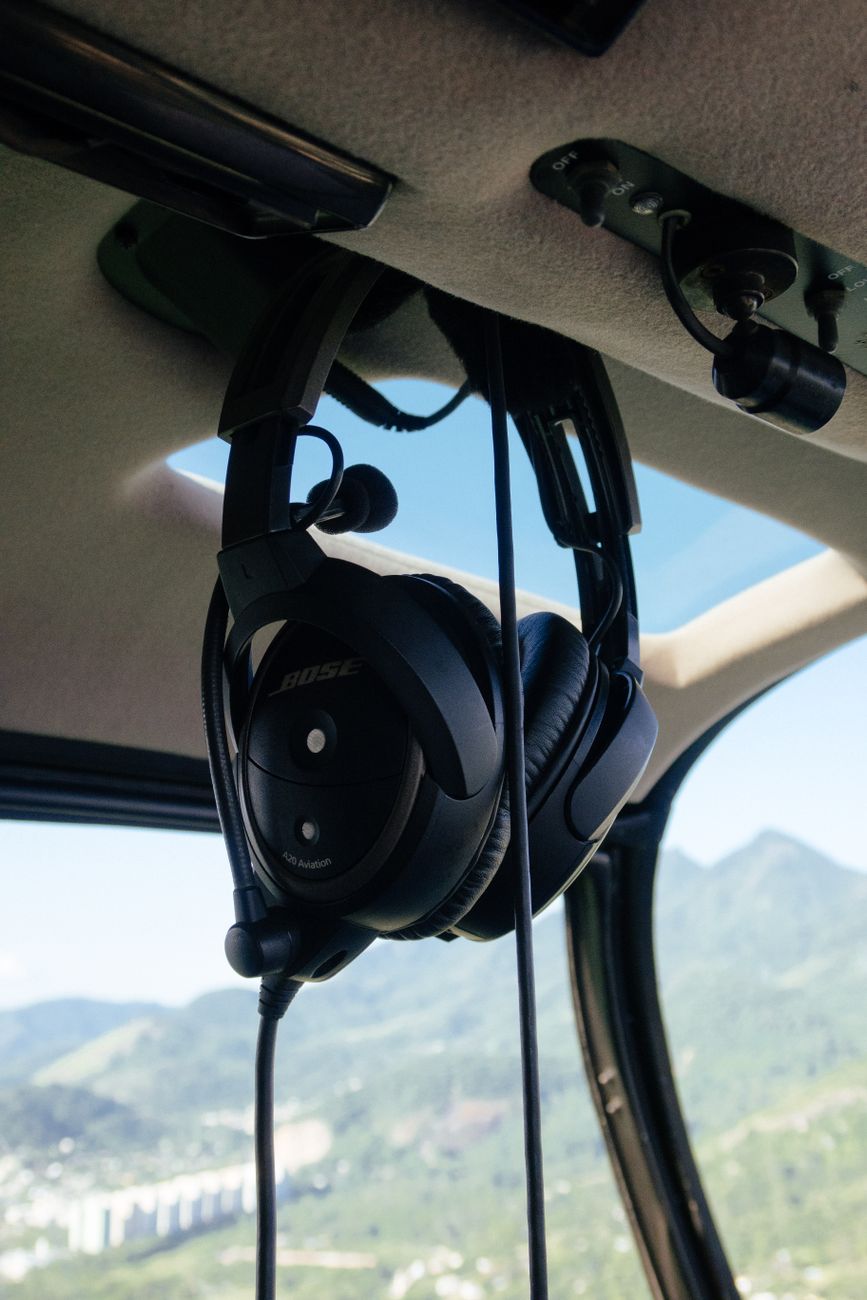
A good aviation headset is one of the best investments a student pilot can make.
You’ll spend hundreds—or eventually thousands—of hours listening to ATC, instructors, and other pilots.
A quality headset can provide:
- Better hearing protection
- Improved communications
- Noise reduction
- Greater comfort
- Less fatigue
Don’t necessarily buy the most expensive headset available on day one. Try different headsets when possible and determine what works for you.
If you know you’re committed to an airline career, however, buying a good headset early can make sense.
2. iPad

An iPad has become one of the most useful tools in modern aviation.
Pilots can use tablets for flight planning, charts, weather information, airport information, aircraft performance, navigation, and electronic documents.
One of the most popular aviation applications is ForeFlight, which offers features including moving maps, approach charts, weather graphics, terrain awareness, weight-and-balance tools, flight planning, and digital logbook capabilities.
You don’t necessarily need the newest or most expensive iPad.
For a student pilot, a reasonably priced model that supports your aviation applications can be sufficient.
Before buying one, check compatibility with the applications you’ll actually use.
3. E6B Flight Computer
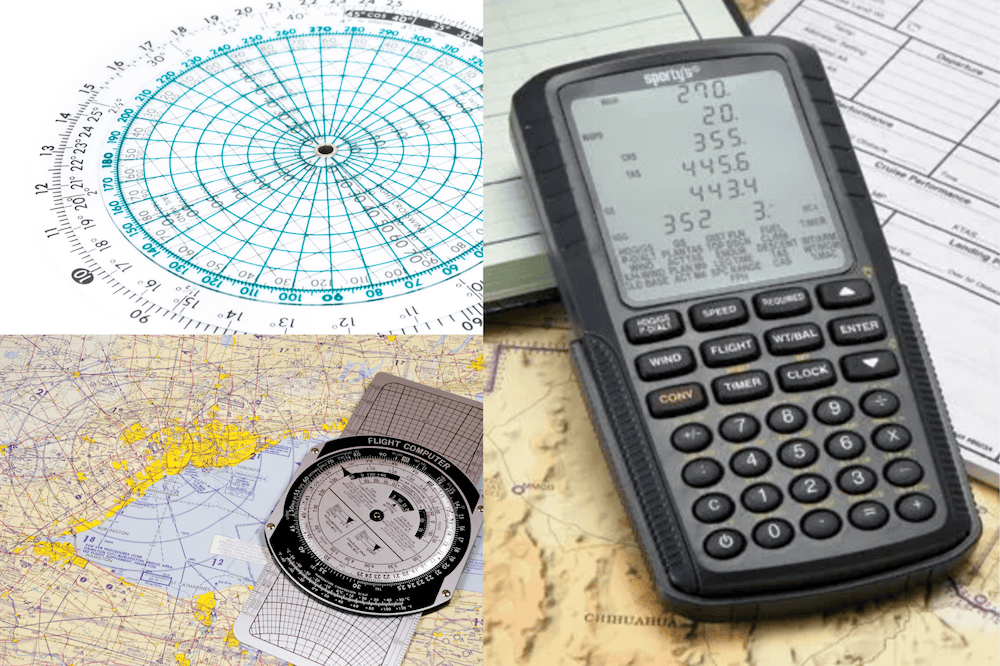
Even in an increasingly digital cockpit, you should understand the fundamentals behind aviation calculations.
An E6B can help students learn concepts involving:
- Wind correction
- Groundspeed
- Fuel calculations
- Time
- Distance
- Density altitude
- Weight and balance
You may eventually perform many calculations electronically, but learning the underlying concepts will make you a better pilot.
4. Kneeboard
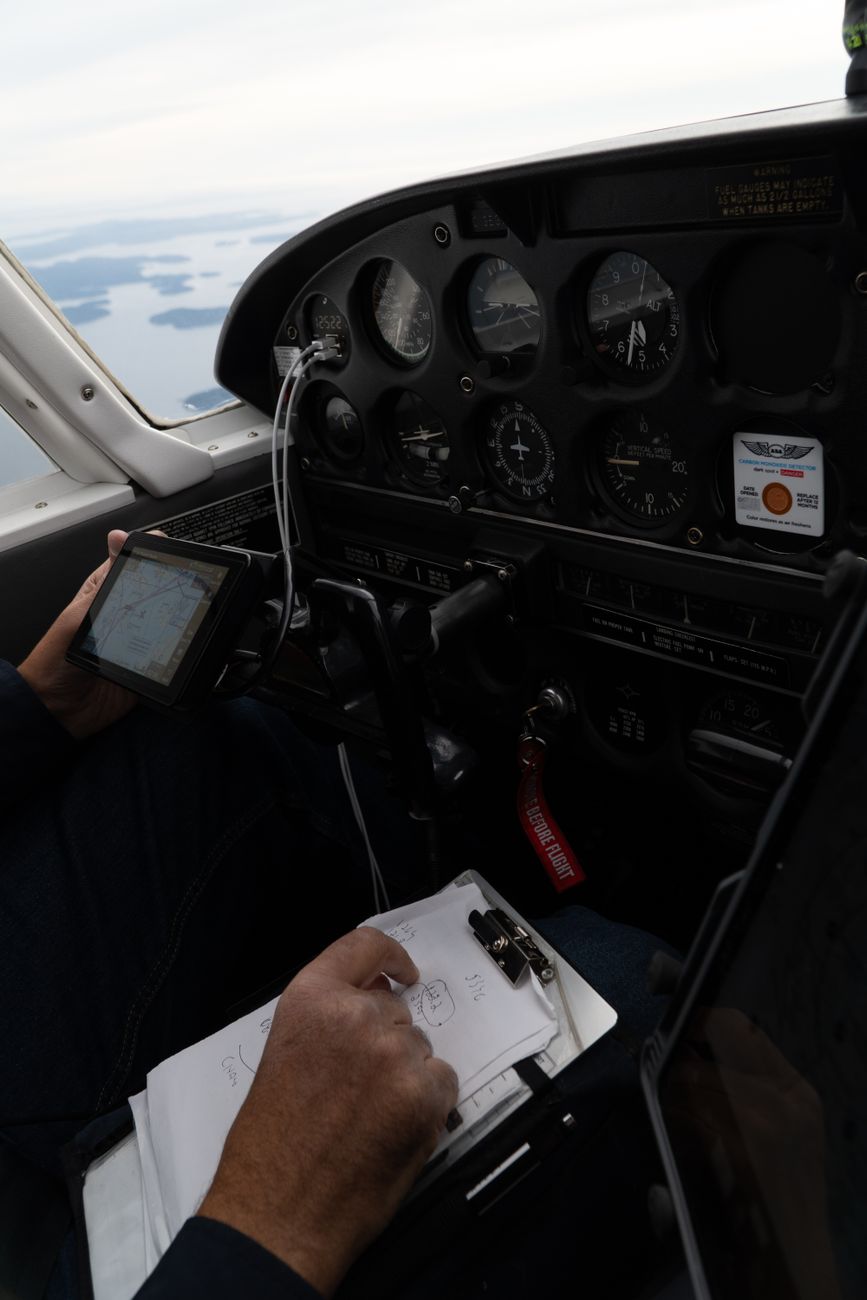
A kneeboard provides a convenient place to organize your:
- Checklists
- Frequencies
- Clearance information
- Notes
- Flight plans
- ATC instructions
You don’t need an expensive one.
A simple kneeboard can work perfectly well.
5. Logbook
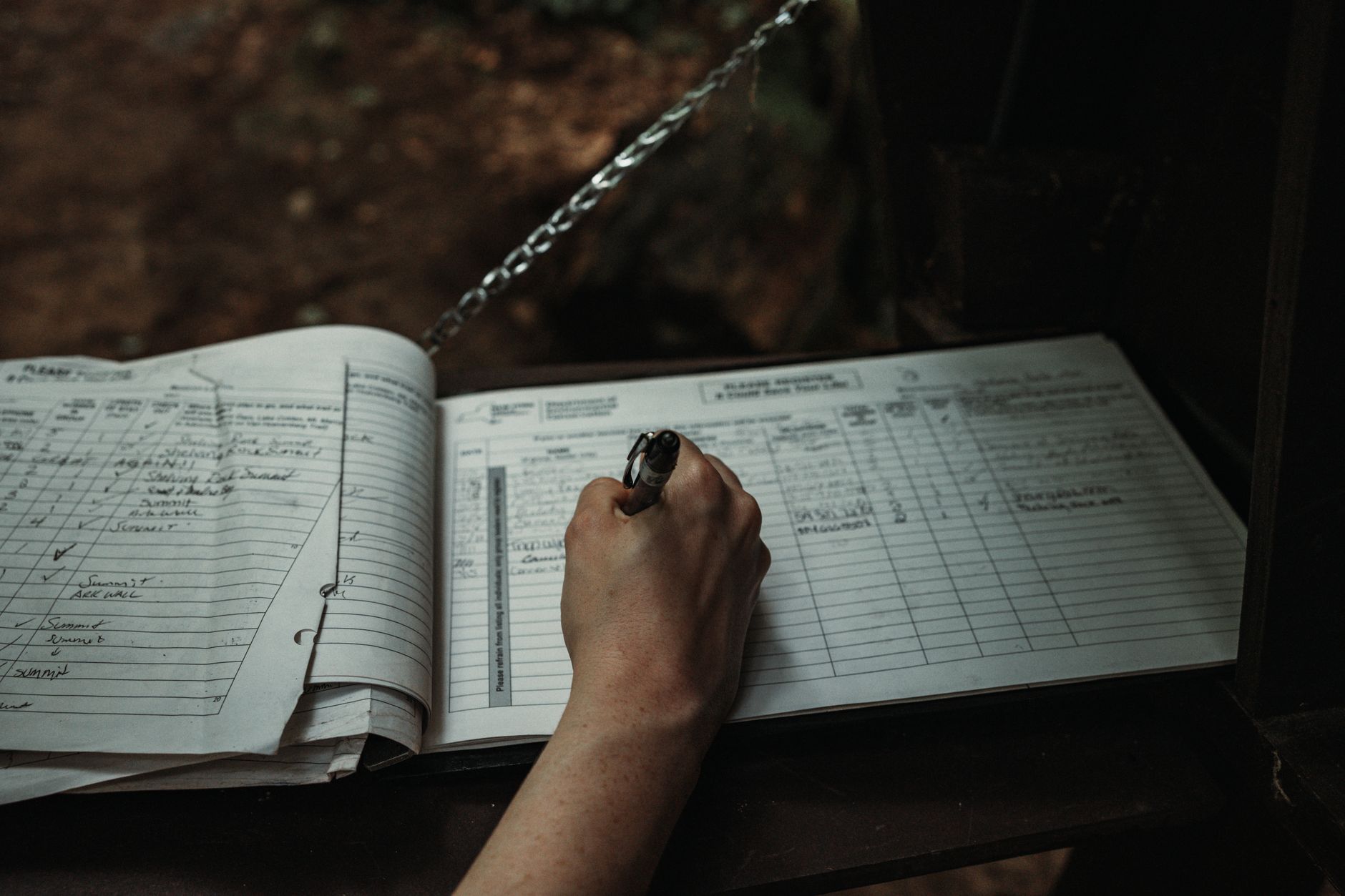
Your logbook is extremely important.
Don’t treat it like a notebook.
Your flight experience becomes part of your professional résumé and eventually matters when you’re applying for pilot jobs.
Many pilots now use electronic logbooks, but you should still understand how your flight time is being recorded and what each category means.
How to Save Money on Flight Training
Flight training can be expensive, but there are several strategies that can reduce the financial burden.
Apply for Aviation Scholarships
One of the biggest mistakes aspiring pilots make is assuming scholarships are only for elite students.
There are aviation scholarships available through organizations, foundations, universities, airlines, local flying clubs, and other aviation groups.
For example, Women in Aviation International’s scholarship program offers scholarships covering various aviation and aerospace pursuits. Its current 2027 scholarship cycle is open from June 1 through September 1, 2026, with eligibility and individual award requirements varying by scholarship.
The AOPA Foundation also offers scholarships for flight training, advanced ratings and certificates, and aviation career pathways.
Search regularly because new opportunities can appear throughout the year.
Apply even if you think you have a low chance.
A $2,500 scholarship could represent dozens of hours of flight training.
Compare Flight Schools
Don’t automatically choose the cheapest advertised hourly rate.
Instead, calculate the total cost of training.
Ask about:
- Aircraft rental rates
- Instructor rates
- Fuel surcharges
- Membership fees
- Simulator fees
- Ground school
- Checkride preparation
- DPE fees
- Written test fees
- Insurance
- Aircraft availability
- Maintenance delays
A school charging $175 per hour may actually be cheaper than one charging $160 if the first school has newer aircraft, better availability, and more efficient training.
Fly Consistently
One of the easiest ways to waste money is taking long breaks from training.
If you fly once every three weeks, you may spend part of every lesson relearning what you previously knew.
Whenever possible, establish a consistent schedule.
Flying two or three times per week can help you maintain proficiency and reduce the amount of time spent relearning skills.
Study Before You Fly
This might be the simplest money-saving strategy of all.
Don’t use expensive airplane time to learn something you could have studied at home.
Before your lesson, review:
- The maneuvers
- The procedures
- The aircraft systems
- The weather
- The lesson objectives
- The regulations
- The checklist
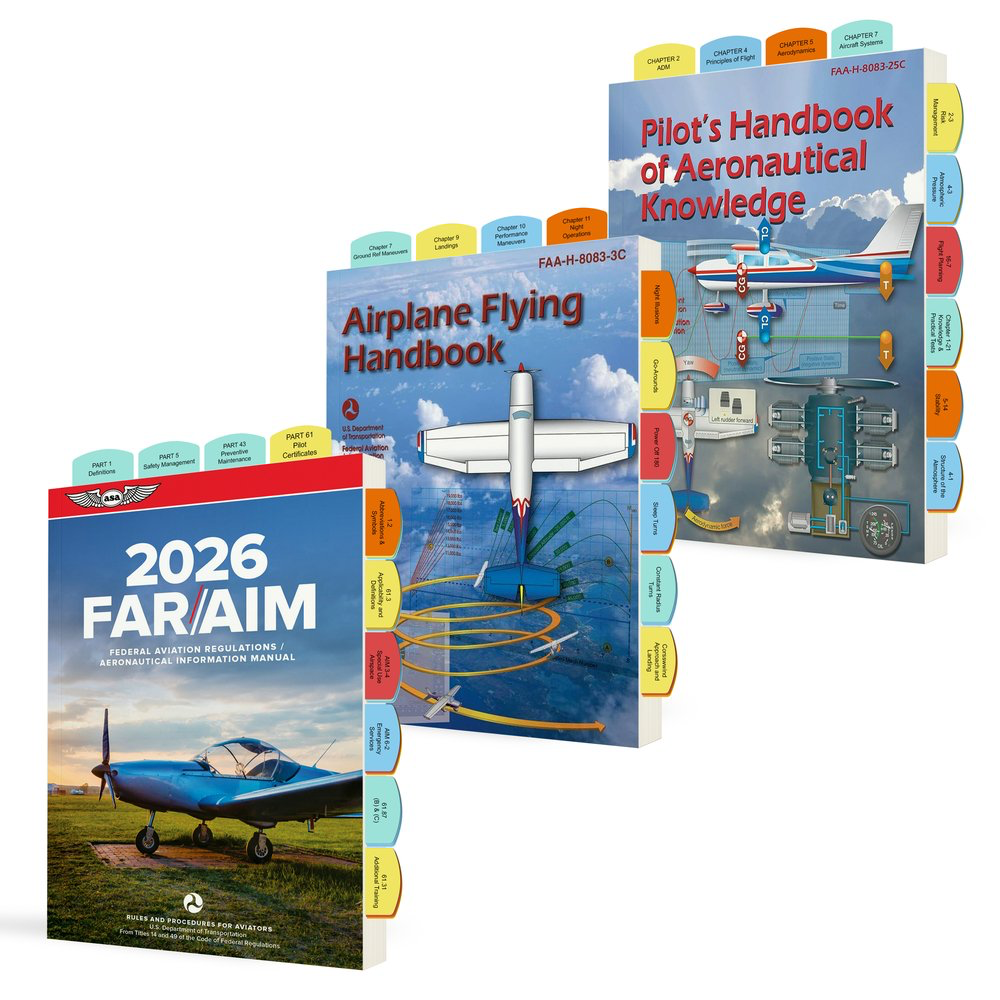
Use online ground school, FAA handbooks, private pilot practice tests, flashcards, and videos to prepare before stepping into the airplane.
The more prepared you are, the more efficiently you can use your instructor and aircraft time.
Don’t Forget About the Non-Flying Skills
Becoming an airline pilot isn’t just about manipulating the controls.
Successful airline pilots need to understand:
- Weather
- Human factors
- Crew resource management
- Decision-making
- Communication
- Risk management
- Aircraft systems
- Navigation
- Regulations
- Professionalism
Start developing these skills from your first lesson.
Your instructor isn’t simply teaching you how to land an airplane.
They’re helping you develop the habits that will eventually be expected of you in a professional cockpit.
The Best Way to Approach Your Airline Pilot Journey
If I could give one piece of advice to someone starting from zero hours, it would be this:
Don’t rush the individual steps, but always keep the final goal in mind.
You don’t need to know everything on day one.
Start by getting your medical certificate, find a reputable flight school, and begin working toward your private pilot certificate.
Then build on that foundation:
Private → Instrument → Commercial → Multi-Engine → CFI/CFII/MEI → Build Time → ATP → Airline
Along the way, use high-quality resources such as Pilot Institute for structured online training, FAA publications for authoritative information, practice exams to prepare for knowledge tests, and your flight instructor for practical training and personalized feedback.
And don’t underestimate the financial side of the journey.
Apply for scholarships. Compare schools. Fly consistently. Avoid unnecessary equipment purchases. Study before every lesson. Track every dollar you spend.
Becoming an airline pilot is a significant investment of time, money, and effort—but with a good plan, it becomes much more manageable.
The cockpit of an airliner may seem a long way away when you’re sitting in a small trainer preparing for your first solo.
But every airline captain started somewhere.
For most, it started with the decision to take that first flight lesson.


Leave a Reply